


Negative Pressure Silver Ion Foam Dressings—a new foam dressing which uses silver ion antimicrobial technology and a development polymer material.
It is mainly used to control infection and accelerate the wound healing process, and improve the pain and bleeding associated with dressing changes in traditional wound care.
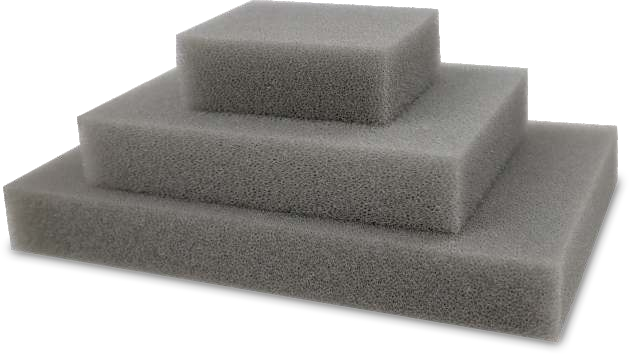 In negative pressure therapy and wound care, there are three criteria for assessing “success”: the proportion of the wound bed covered by granulation tissue, the control of exudate, and the wound healing time. Since exudate serves as an indicator of inflammation at the wound site, infection constitutes the most significant confounding factor.
Silver ions demonstrate significant antibacterial efficacy and are widely used in clinical applications.
As is well known, infection is the primary adversary hindering wound healing. While traditional negative pressure wound therapy reduces external contamination by creating a closed environment, it offers limited control over bacteria already present within the wound itself. However, silver ions—a long-established and extensively validated antimicrobial agent—demonstrate significant efficacy in disrupting bacterial cell walls and interfering with bacterial metabolism.
In 2024, the 《Journal of Wound Care》—a leading international authoritative journal in the field of wound care—published a meta-analysis co-authored by multiple international experts. The report indicates that, at four weeks of treatment, there was a significant relative reduction in wound area and a significantly shorter time required to eliminate wound odor, demonstrating excellent clinical efficacy and good tolerability.
Reduces pain during dressing changes and protects fragile tissues.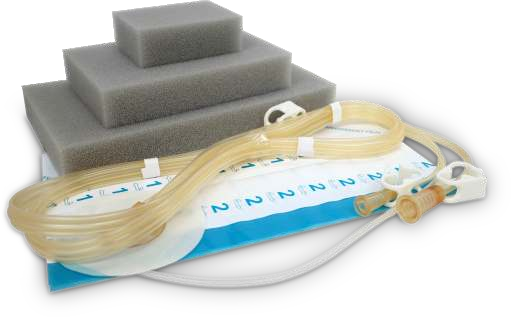
In conventional negative pressure wound therapy, the severe pain associated with dressing changes significantly undermines patients’ confidence in their treatment.
The non-adherent silicone layer incorporated into silver-ion foam dressings effectively resolves this challenge. Clinical studies indicate that the use of silver-ion foam dressings leads to a significant reduction in patients’ pain scores; moreover, this silicone material prevents adhesion to newly formed granulation tissue, making dressing removal much easier.
This not only safeguards newly formed blood vessels and tendons but also substantially enhances the patients’ quality of life.
Accelerate healing
Data from multiple studies indicate that, compared to conventional dressings, silver-ion-containing foam dressings can reduce healing time by an average of one-fifth.
E.g., in cases of diabetic foot ulcers, the healing time for silver-ion-containing foam dressings was 3.2 weeks, whereas the healing time for the silver-free control group was 5.14 weeks—meaning the silver-ion-containing foam dressings accelerated healing by 2 weeks.
Reduce the frequency of dressing changes and extend dressing change intervals.
Clinical data indicate that, compared to traditional wound management methods, silver ion dressings require less frequent changes.
Conventional dressings possess limited (or no) antimicrobial activity; therefore, to prevent infection, they typically require changing every 2 to 3 days.
Silver ion-containing dressings, provided that wound exudate levels are low, typically require changing only every 5 to 7 days.
Relative to traditional dressings, silver ion foam dressings offer superior cost-effectiveness in terms of both therapeutic efficacy and clinical application.
 According to market research data, the global market for silver-containing wound dressings was valued at approximately $1.24 billion in 2024 and is projected to reach $1.62 billion by 2030. This growth is driven by the persistent rise in the incidence of chronic wounds—such as diabetic foot ulcers, pressure injuries, and burns—as well as the increasing awareness among healthcare institutions and patients regarding advanced wound care solutions.
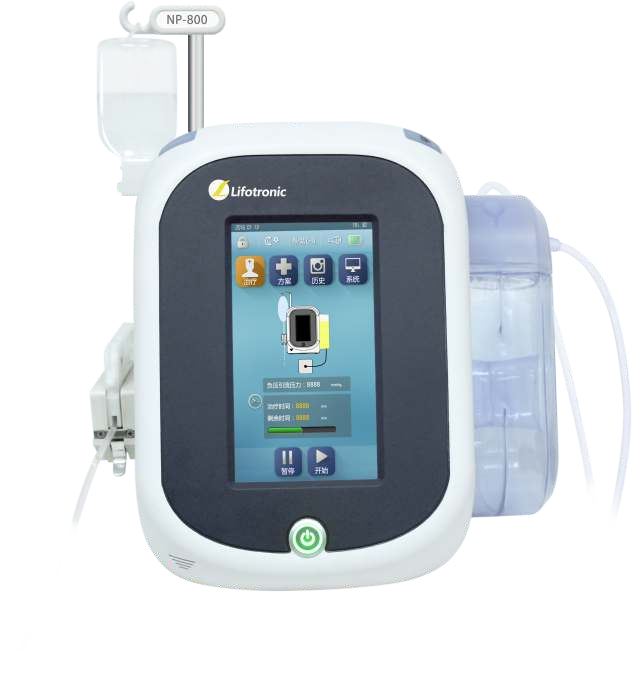
Overall, silver-ion foam dressings possess indispensable antimicrobial properties. When used with Negative Pressure Wound Therapy with Instillation and Dwell (NPWTi-d), their therapeutic efficacy is further enhanced; therefore, their combined use is recommended.
If you are also looking for negative pressure wound therapy solutions, please contact PROMED via email at info@llkmedical.com. PROMED will provide you with the most suitable solution. We look forward to hearing from you. Web: www.llkmedical.com