


CareMaster Ultrasonic Wound Debridement Systems
Choose a CareMaster configuration based on the functions your facility needs: ultrasonic debridement only, debridement with high-pressure flushing, or a complete system with waste-fluid suction.
– Three configuration levels: CareMaster H, G, and E
– 25 kHz ultrasonic working frequency
– 100–240V, 50/60Hz input across the range
– Model-specific accessories and technical files available on request
CareMaster is an ultrasonic wound debridement system range for healthcare facilities that need a clearer equipment selection process. CareMaster-H provides ultrasonic debridement. CareMaster-G adds high-pressure flushing. CareMaster-E combines ultrasonic debridement, high-pressure flushing, and negative-pressure suction to collect waste fluid during cleaning. All three models use 100–240V, 50/60Hz input. Start with the functions you need for your workflow, then confirm the exact model, accessories, documentation, and destination-market requirements before ordering.
| Model | Standard function focus | Footswitch | What you should confirm before RFQ |
|---|---|---|---|
| CareMaster-H | Ultrasonic debridement | Single footswitch | Required handpieces, probes, and any requested optional configuration |
| CareMaster-G | Ultrasonic debridement + high-pressure flushing | Double footswitch | Flushing accessories and whether further modules are included in the quoted configuration |
| CareMaster-E | Ultrasonic debridement + high-pressure flushing + negative-pressure suction for waste-fluid collection | Double footswitch | Trolley, waste-fluid components, accessories, and installation scope |
Product Features
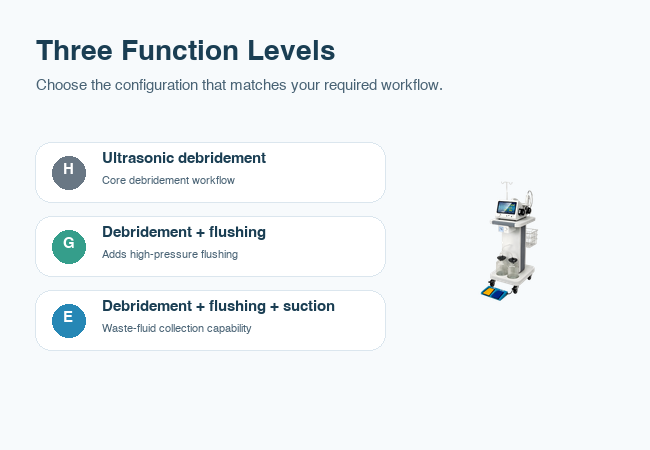
Three Function Levels: Select H, G, or E by workflow requirements.
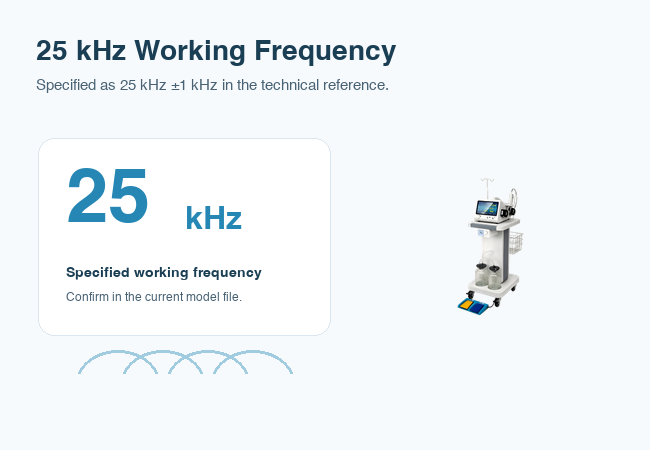
25 kHz Working Frequency Working frequency is specified as 25 kHz ±1 kHz.
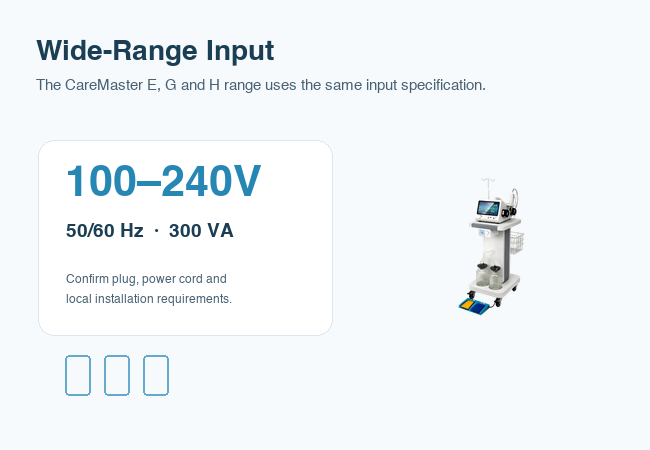
Wide-Range Input
All models use 100–240V, 50/60Hz input.
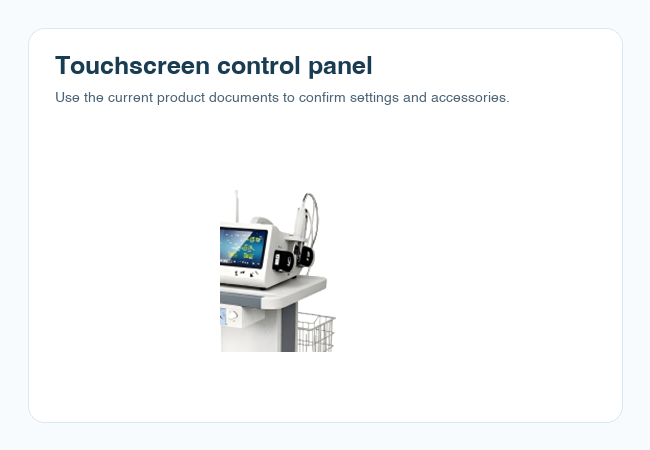
10-Inch Touchscreen
10-inch color LED touchscreen with 1024×600 resolution.
Technical Reference
| Function or item | Referenced specification | Procurement note |
|---|---|---|
| Ultrasonic working frequency | 25 kHz ±1 kHz | Confirm in the current model-specific technical file. |
| Effective ultrasonic output power | <50 W | Confirm the intended model and destination documentation. |
| Debridement liquid flow | ≥100 mL/min | Applicable technical reference; verify configuration. |
| High-pressure flushing | ≥400 mL/min; 0.6 ±0.05 MPa | For a configuration with flushing capability. |
| Negative-pressure suction | ≥0.08 MPa; ≥20 L/min; storage canister ≥2 L | For a configuration with suction capability. |
| Input | a.c. 100–240V, 50/60Hz, 300VA | Confirm plug, power cord, and local electrical requirements. |
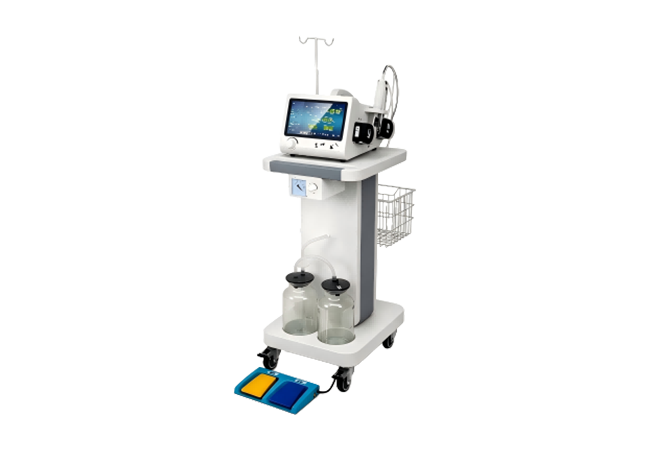
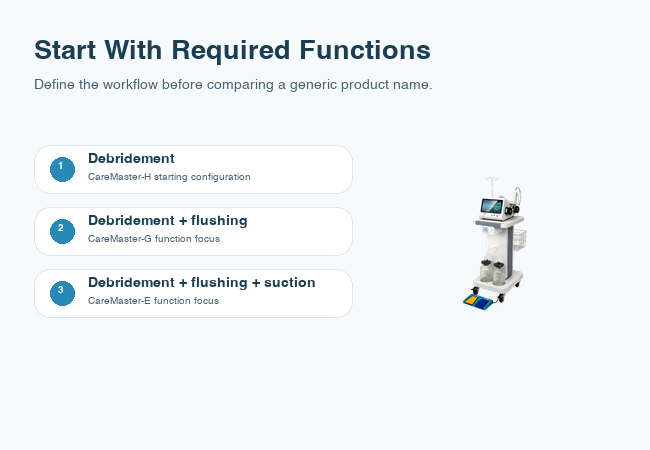
Start With the Required Functions
You do not need to begin your RFQ with a long technical checklist. First, state whether your facility needs debridement only, debridement with flushing, or debridement with flushing and waste-fluid suction. That decision directs you to CareMaster-H, CareMaster-G, or CareMaster-E. It also prevents a comparison based only on a generic “multifunctional” label when the included system functions differ.
Confirm the Included Components
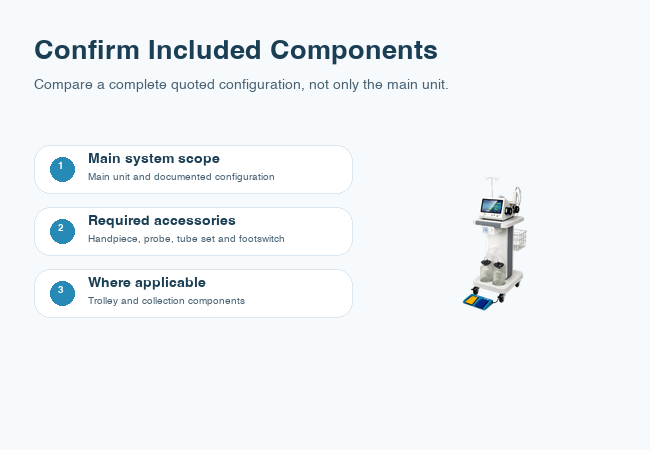
A CareMaster quotation should identify more than the main unit. Ask for the handpiece, debridement probe, tube sets, footswitch, power cord, user manual, and—where applicable—the trolley, collection components, and suction parts. The included configuration must be recorded at the SKU level. This makes your receiving inspection and future spare-parts planning more reliable.
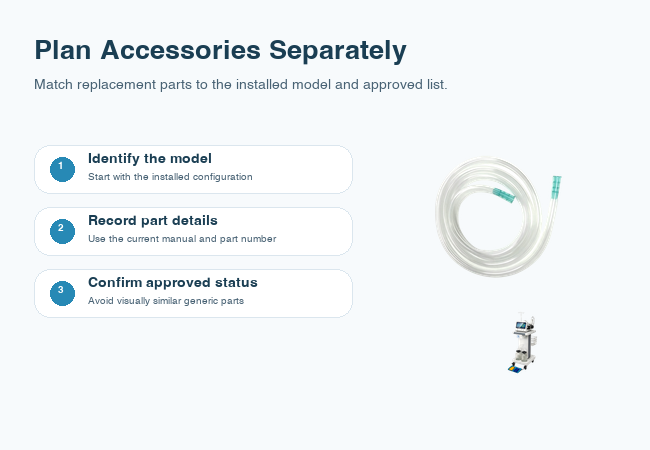
Plan Accessories Separately
Debridement handpieces, probes, tubes, infusion spikes, tube sheaths, and suction components have different service or replacement requirements. The current manual also requires matching accessories and cautions against mixing incompatible parts. Ask for an accessory list and replacement recommendations that match your selected model. Do not assume that an accessory shown with one configuration is included with another.
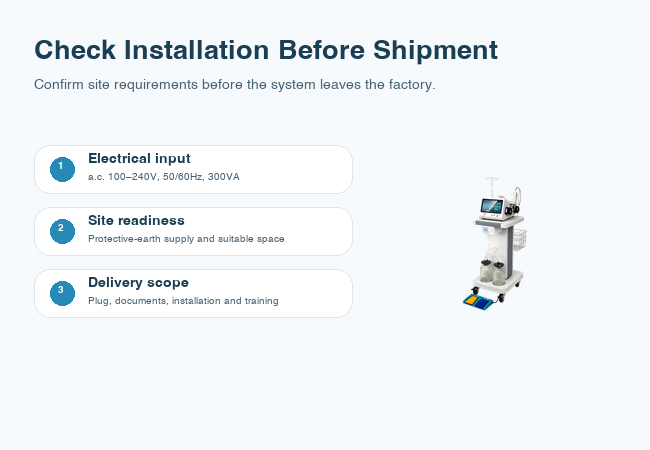
Check Installation Before Shipment
All three models use 100–240V, 50/60Hz input, but installation still requires a protective-earth power supply and a suitable operating environment. Before shipment, confirm the plug type, local electrical requirements, space for the selected configuration, documentation language, and the party responsible for installation and training. These details are more valuable to a project buyer than a generic performance claim.
CareMaster Model and Accessory Range
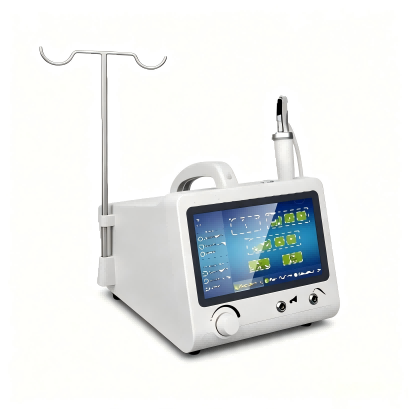
CareMaster-H is the starting configuration for ultrasonic debridement. It uses a single footswitch according to the referenced manual. Use this model when you need to focus an RFQ on the core debridement function; then confirm the requested handpieces, probes, technical documents, and any non-standard requirements with the supplier before finalizing the order.
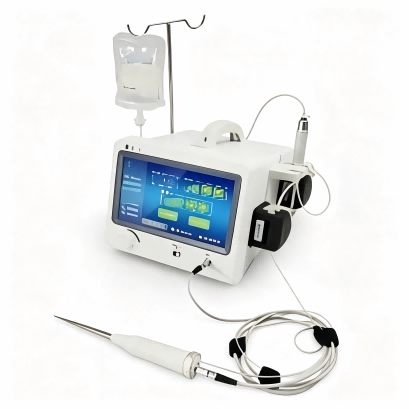
CareMaster-G combines ultrasonic debridement and high-pressure flushing and uses a double footswitch. It is appropriate when your purchase specification requires those two standard functions. Your RFQ should identify the flushing handpiece, tube set, infusion accessories, and whether any further module is required. That prevents a quotation from being compared against a different configuration.
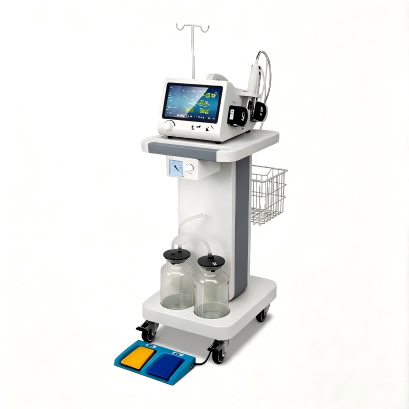
CareMaster-E ultrasonic wound debridement system, high-pressure flushing, and negative-pressure suction for waste-fluid collection during debridement or flushing. The referenced manual shows a double footswitch and a negative-pressure trolley with waste-fluid components for this configuration. For a complete procurement record, ask for the trolley, buffering and storage canisters, suction line, handpieces, probes, and installation scope to be listed in the technical offer.
The referenced accessory range includes debridement handpieces, probes, debridement tubes, flushing tubes, infusion spikes, tube sheaths, suction probes, and suction tubes. Service life and replacement timing must follow the current manual and the selected configuration. Request a separate consumables list with part numbers, packing information, and approved accessory status before you place an initial order.
Application and Procurement Scenarios
- Technical Reference
- Hospital Equipment Projects
- Distributor Product Selection
- Replacement and Replenishment Orders
| Function or item | Referenced specification | Procurement note |
|---|---|---|
| Ultrasonic working frequency | 25 kHz ±1 kHz | Confirm in the current model-specific technical file. |
| Effective ultrasonic output power | <50 W | Confirm the intended model and destination documentation. |
| Debridement liquid flow | ≥100 mL/min | Applicable technical reference; verify configuration. |
| High-pressure flushing | ≥400 mL/min; 0.6 ±0.05 MPa | For a configuration with flushing capability. |
| Negative-pressure suction | ≥0.08 MPa; ≥20 L/min; storage canister ≥2 L | For a configuration with suction capability. |
| Input | a.c. 100–240V, 50/60Hz, 300VA | Confirm plug, power cord, and local electrical requirements. |
For a hospital project, begin with the intended service workflow rather than the broad product name. Identify whether the technical specification calls for debridement, flushing, waste-fluid suction, or all three. Then request a model-specific offer, technical file, installation requirements, accessory list, and training scope. This creates a traceable comparison between CareMaster models and avoids adding components after the project budget is approved.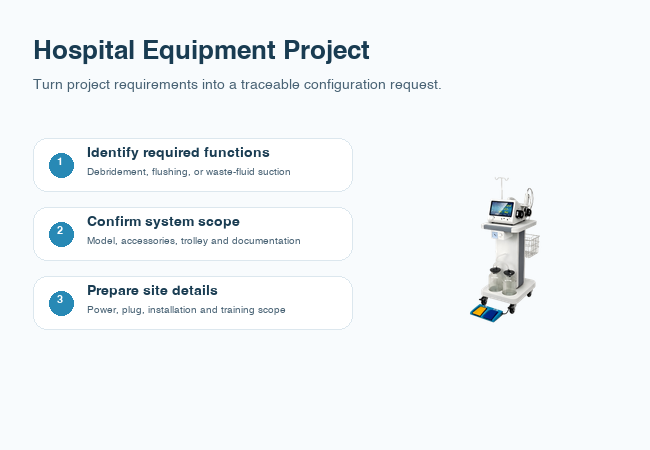
For distribution, keep CareMaster-H, G, and E as separate configuration lines. Build a matching spare-parts and consumables list for each line instead of quoting one generic accessory pack. Your sales team can then qualify inquiries by required functions, power requirements, accessories, documentation, and market destination before committing to a configuration or delivery plan.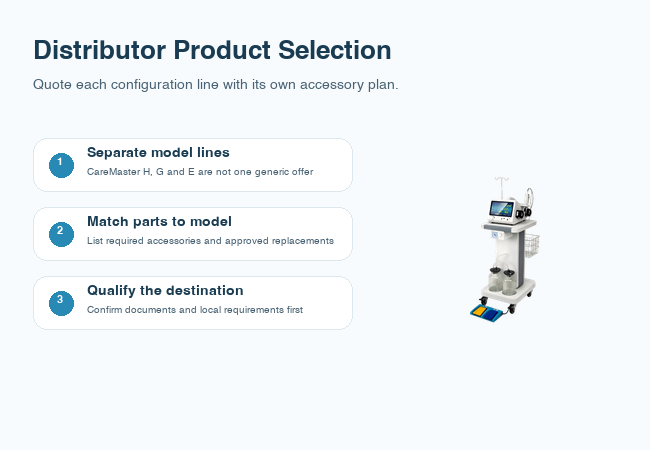
For a replacement probe, tube, handpiece, or suction component, provide the installed CareMaster model, serial number, and part description from the current manual. Matching accessories are important because the manual prohibits mixing the device with other manufacturers’ parts. Use a written configuration record to validate the item before shipment rather than relying on a product photo or a generic accessory name.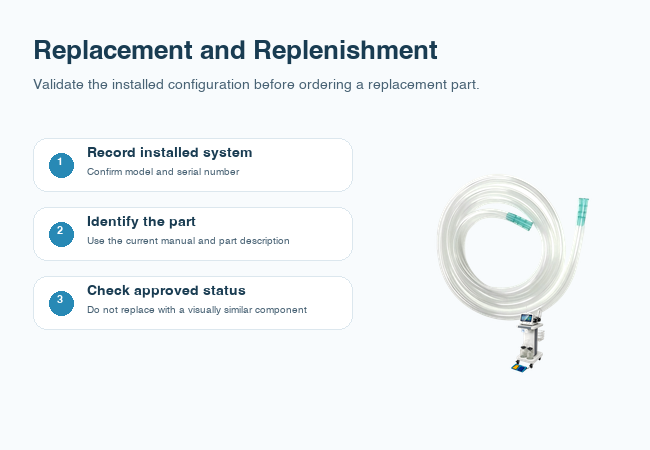
Related Products
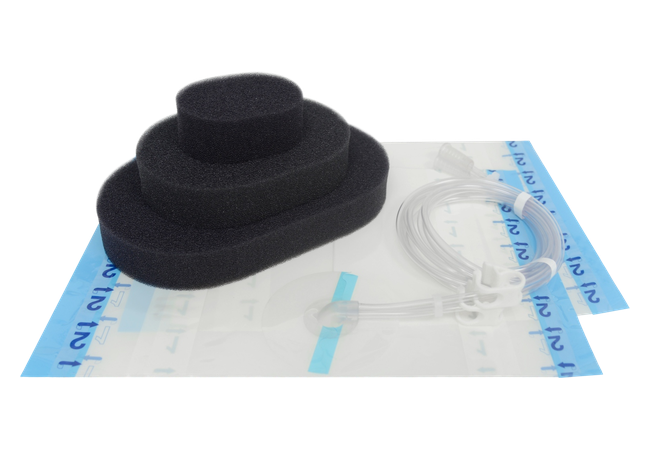
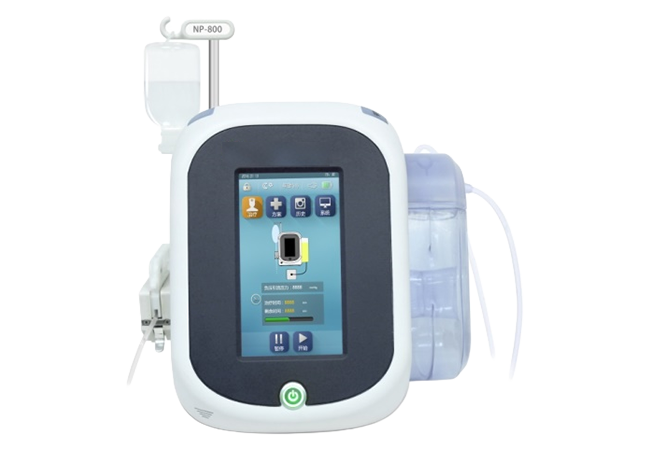
CareMaster-E is the referenced configuration that combines ultrasonic debridement, high-pressure flushing, and negative-pressure suction for waste-fluid collection during debridement or flushing. Before ordering, request a model-specific configuration list. It should state the main unit, trolley, collection components, handpieces, footswitches, and accessories included in the offer, because a product name alone does not define the supplied scope.
CareMaster-G is referenced for ultrasonic debridement plus high-pressure flushing and uses a double footswitch. CareMaster-H is referenced for ultrasonic debridement and uses a single footswitch. Ask for the current component list and technical file when comparing them. Do not select a model only by appearance or screen size; select it by the functions and accessories required in your workflow.
Yes. The current confirmed page specification for CareMaster-E, CareMaster-G, and CareMaster-H is a.c. 100–240V, 50/60Hz, 300VA. You should still confirm the power cord, plug type, protective-earth supply, and any local installation requirements before shipment. Wide-range input does not remove the need to verify the destination-site electrical setup.
Start with the model and required functions, then request the exact included handpiece, debridement probe, tube sets, footswitch, power cord, user manual, and any trolley or collection components. Where replacements are planned, request part numbers, packing details, and approved accessory status. This helps you compare offers on delivered system scope rather than on the main-unit price alone.
The referenced user manual warns against using accessories, parts, or materials that do not match the device and against combining the device with other manufacturers’ equipment. For safety, performance, and service planning, request approved accessory information for the installed model. Your purchase order should identify the model and required part number rather than ordering a visually similar generic component.
Request the current model-specific IFU, technical specification, configuration list, accessories and consumables list, packing information, destination-market documentation, and commercial terms. If installation, training, warranty, or after-sales service is important to your project, ask for those terms in writing. Do not rely on a general product page as the final authority for a regulated purchase decision.
The right ultrasonic wound debridement system is the one whose functions, included components, and technical documents match your facility workflow. CareMaster-H, G, and E give you different starting configurations, while the shared 100–240V input simplifies power planning. Send your required functions, market destination, and accessory list to PROMED for a model-specific technical offer.