


PVA (polyvinyl alcohol) is a synthetic polymer typically derived from petroleum through processes such as cracking, synthesis, and modification.
PVA white foam dressing is a novel dressing designed for Negative Pressure Wound Therapy (NPWT), specifically for sensitive wounds and those requiring long-term negative pressure suction. Combining effective pain relief with excellent biocompatibility, it is hailed as “biomimetic skin” focused on restorative function.
 Why is it called “bionic skin”
- Structural biomimicry: The PVA material features a 3D porous network structure that is soft and elastic, resembling the collagen fiber network found in the human dermis. This structure effectively absorbs and retains exudate, providing a stable, moist environment conducive to wound healing.
- Functional biomimicry: Beyond acting as a physical barrier, it actively promotes granulation tissue growth and epithelialization, thereby accelerating wound closure. It also offers analgesic and anti-inflammatory effects, embodying the functional characteristic of “active repair.”
- Cellular compatibility: The PVA material exhibits excellent biocompatibility; it is unlikely to trigger rejection reactions and remains safe and reliable even during prolonged contact with sensitive tissues.
Key Advantages and Clinical Value
Non-adherent to the wound bed: PVA is highly hydrophilic; upon absorbing exudate, it forms a water-molecule film that physically prevents the dressing from adhering to newly formed granulation tissue, ensuring painless and atraumatic dressing changes.
Gentle and sustained: Suitable for fragile wound sites—such as pain-sensitive areas, superficial wounds undergoing re-epithelialization, and skin graft or donor sites—and ideal for long-term negative pressure wound therapy (NPWT).
Efficient drainage: When used with an NPWT system, it effectively removes exudate, reduces edema, and improves local microcirculation, creating an optimal environment for wound healing.
Manufacturing Process and Quality Control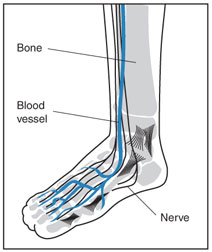
The production of PVA negative-pressure white foam involves a highly precise process that determines both its performance and cost:
Production Stages (Key Requirements)
Foaming and Cross-linking: Precise control of pore size uniformity and cell structure to ensure even drainage.
Sterile Production: Strict aseptic environment, Ethylene Oxide (EO) sterilization, and individual sterile packaging.
Performance Verification: Comprehensive testing—including biocompatibility, mechanical properties, and absorption rate—to ensure compliance with medical device registration standards.
Quality System: Certification under a medical device quality management system is required.
Meeting these high-standard process requirements ensures excellent product performance, albeit at a corresponding cost.
Usage Indications
Moderate-to-heavily exuding and sensitive wounds requiring negative pressure therapy, such as:
Chronic wounds (diabetic foot ulcers, pressure ulcers/bedsores, venous leg ulcers)
Acute wounds (traumatic injuries, surgical wounds with poor healing, skin tears)
Specialized surgical sites (recipient and donor sites for skin grafts)
Other complex wounds (first- and second-degree burns, sinus tracts, and undermining wounds)
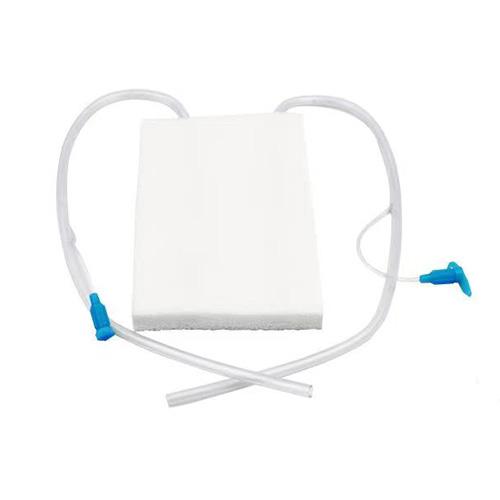 Usage Scenarios
Use in Operating Rooms and Hospital Wards: This is the most common scenario; typically, during surgery or hospitalization, the dressing is applied by physicians or nursing staff and connected to large-scale medical negative-pressure wound management equipment, providing patients with professional, personalized wound care.
Use in Community and Home Settings: With the proliferation of portable negative pressure devices and the trend toward “de-hospitalization,” PVA white foam is increasingly used in community healthcare, outpatient clinics, and even—following appropriate training—in home care settings, significantly improving patients’ quality of life.
Functional Features
The specific roles of the PVA negative-pressure white foam dressing throughout NPWT treatment include:
Continuously removing wound exudate and keeping the wound clean;
Reducing local edema and improving blood circulation;
Maintaining a relatively stable and optimal moist healing environment;
Helping to control bacterial load (though not a substitute for anti-infective therapy);
Promoting granulation tissue formation and wound contraction;
Reducing the frequency of dressing changes and enhancing patient comfort;
Creating favorable conditions for subsequent procedures such as suturing, skin grafting, or flap surgery.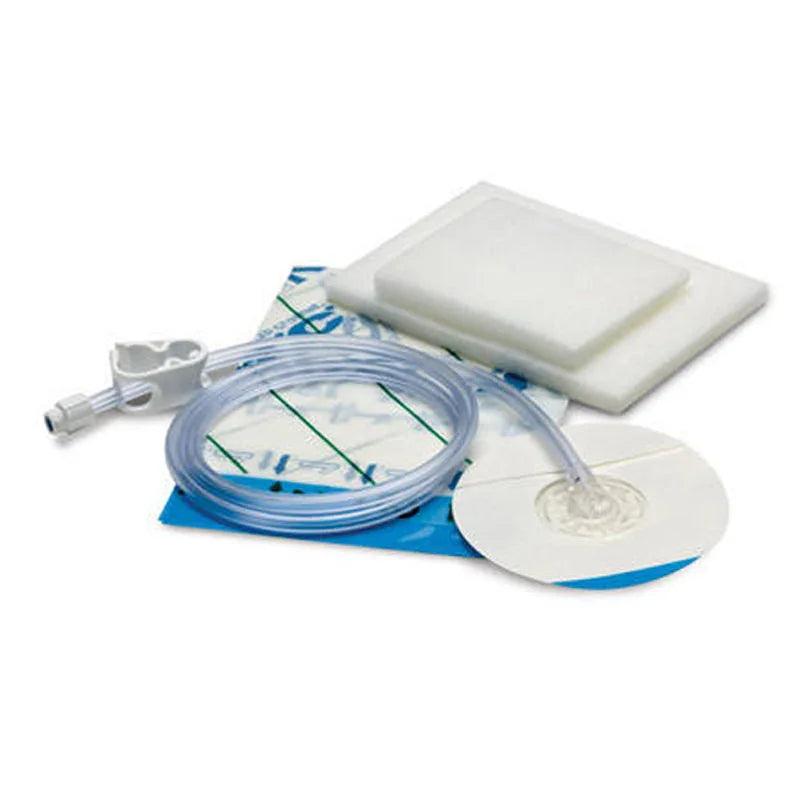
The white PVA negative-pressure foam dressing is not merely a standard wound protection product; it is a high-end medical consumable that integrates materials science, biomimetic medicine, and clinical care. It serves the dual roles of “contact layer” and “repair layer” in negative-pressure wound therapy, making it particularly suitable for patients with fragile, sensitive wounds requiring long-term negative-pressure drainage. Thanks to its non-adherent nature and its ability to alleviate pain and promote healing, the dressing is widely recommended by experts. It plays an increasingly vital role in the management of complex wounds.
The PVA white negative-pressure foam dressing kits sold by PROMED have obtained ISO 13485:2016 and CE certifications. They are currently in use across numerous countries and regions, earning consistent praise from users.
Once a purchase plan is confirmed, we provide initial product training and usage guidance. During the one-year warranty period following delivery, our staff is available to assist with replacements or repairs should any issues arise. We also offer lifetime after-sales support, ensuring that any product-related concerns are resolved regardless of how much time has passed.
PROMED aims to be your long-term, reliable medical product supplier; we are continuously improving and look forward to hearing from you. Email: info@llkmedical.com