


Statistics show that, to date, PROMED ultrasonic-assisted wound (UAW) debridement systems are primarily found in professional medical settings—such as hospitals, medical groups, wound management centers, and clinics—where they are used for diabetic foot care and the debridement of acute and surgical wounds. Naturally, this is the primary purpose for which these systems were developed.
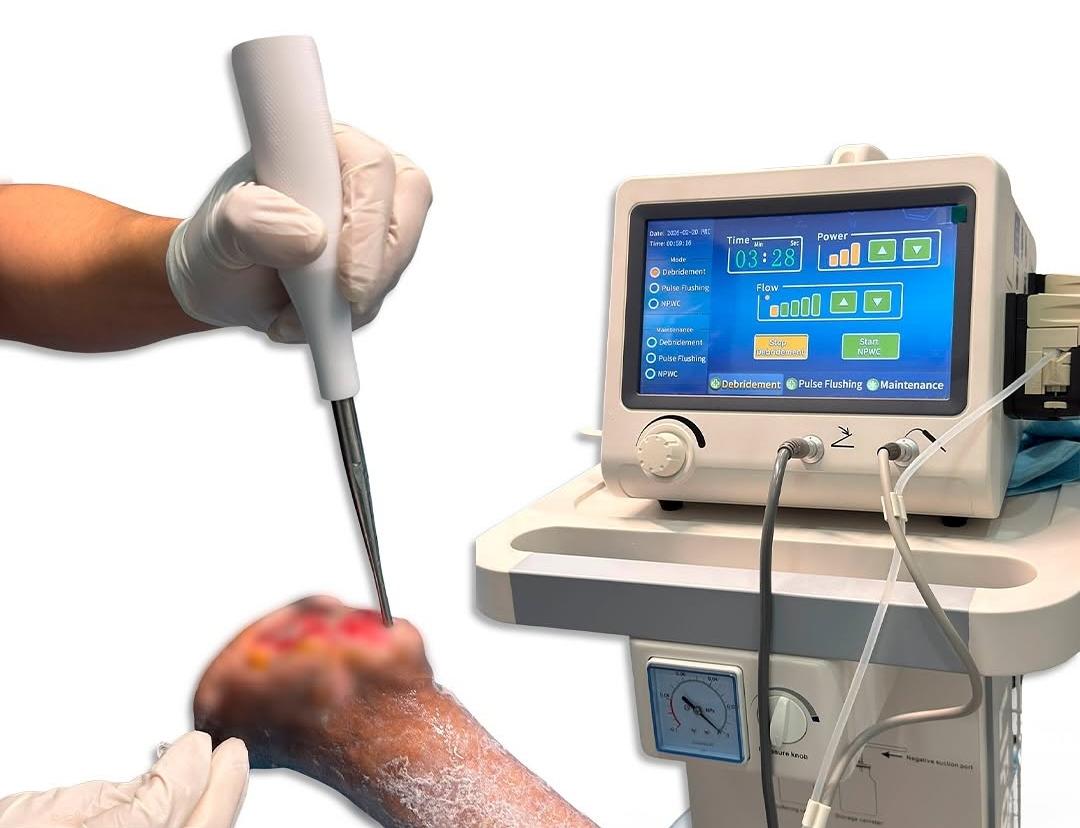 However, please note that if your city were to suddenly face the following situations, you might find this system useful. Of course, I hope your city remains safe and well.
We are all aware that global natural disasters and regional conflicts—such as earthquakes, floods, mudslides, snow disasters, and wars—have occurred frequently in recent years. Humanity is always insignificant in the face of nature. An old Chinese saying: “Past experience, if not forgotten, is a guide for the future”—meaning that remembering the lessons of the past serves as a valuable reference for the future. Surveys indicate that demand for ultrasonic-assisted wound debridement systems surges following events such as earthquakes, floods, mudslides, snowstorms, and wars. Their primary applications are as follows:
Earthquakes cause building collapses, resulting in injuries that primarily involve fractures, crush injuries to limbs, and contaminated wounds; these acute open wounds are prone to infection and require timely debridement. Statistics from an earthquake in 2024 show that three units performed 42 debridement procedures within 72 hours—65% of which involved heavily contaminated wounds—while keeping the infection rate below 8%. Given that the average infection rate for contaminated wounds is around 10%, achieving a rate of under 8% in such an emergency setting demonstrates the excellent performance of the ultrasonic debridement equipment itself.


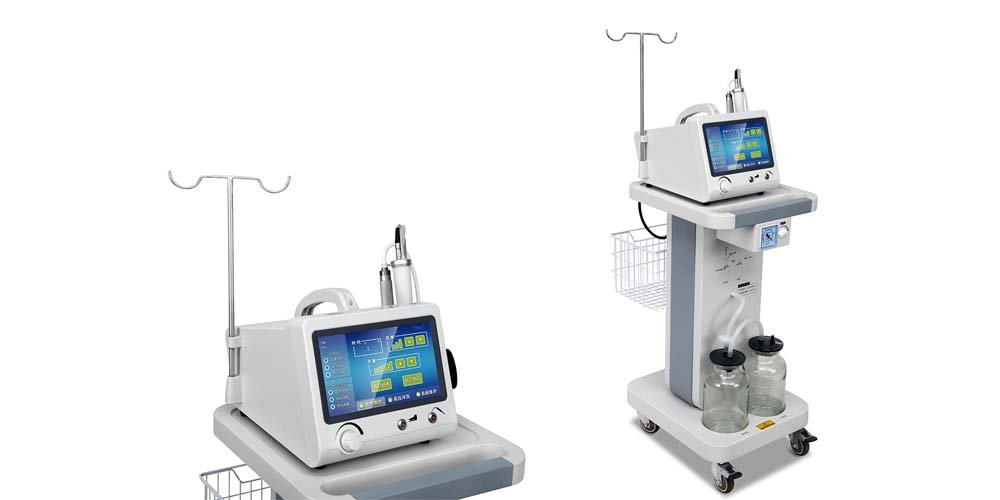
Floods and mudslides bring not only deposited silt and various pollutants but also bacteria and pathogens capable of entering the human body through even the smallest wounds. In such situations, the powerful irrigation and debridement capabilities of ultrasonic wound debridement systems are essential for removing contaminants like silt and debris.
A major challenge in rescue operations during snow disasters is the risk of frostbite and hypothermia among the injured due to low temperatures. Some debridement equipment features low-temperature startup technology, enabling rapid activation in environments as cold as -20°C. Additionally, the equipment’s fluid temperature control function heats the debridement solution to between 20°C and 35°C, preventing secondary irritation to the wound caused by cold fluids and avoiding further pain for the injured.
 In a wartime setting, this device is primarily used to treat gunshot and shrapnel wounds; its “cavitation effect” efficiently removes necrotic tissue and bacteria without damaging healthy tissue, making it highly significant for limb-salvage procedures. The design also addresses wartime requirements, such as water conservation and portability. Interestingly, its ultrasonic function is occasionally utilized to clean precision weapon systems, including firearms. However, given that ultrasonic cleaning devices designed for everyday use (such as those for eyeglasses or jewelry) are already available on the market, Promed—as the manufacturer—does not recommend using this ultrasonic-assisted wound debridement machine for purposes other than wound treatment.
When a sudden crisis overwhelms the capacity of medical relief units or creates a shortage of healthcare personnel, multifunctional ultrasonic wound debridement equipment can step in as a vital “gap-filler” within the medical system. It handles emergency wound irrigation, sterilization, and negative-pressure suction, transforming the wound bed from a state of heavy bacterial contamination and worsening infection to one where bacterial loads are significantly reduced, and granulation tissue grows steadily.
Ultrasonic-assisted wound debridement systems are not only standard equipment in hospital settings for treating chronic wounds and surgical cases but also indispensable, high-efficiency tools for modern emergency rescue and battlefield medical care.
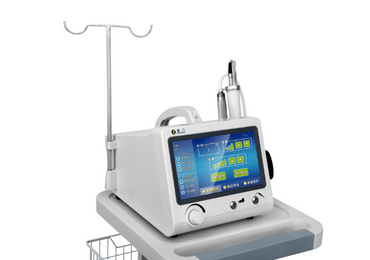 PROMED ultrasonic-assisted debridement units have obtained CE and ISO 13485:2016 certifications and are in use across multiple regions worldwide; their performance is widely validated, and market demand continues to grow steadily.
If you are interested in purchasing ultrasonic wound debridement equipment, PROMED offer one-stop solution—covering registration, training, manufacturing, sales, shipping, and after-sales support. Contact PROMED today at info@llkmedical.com.