


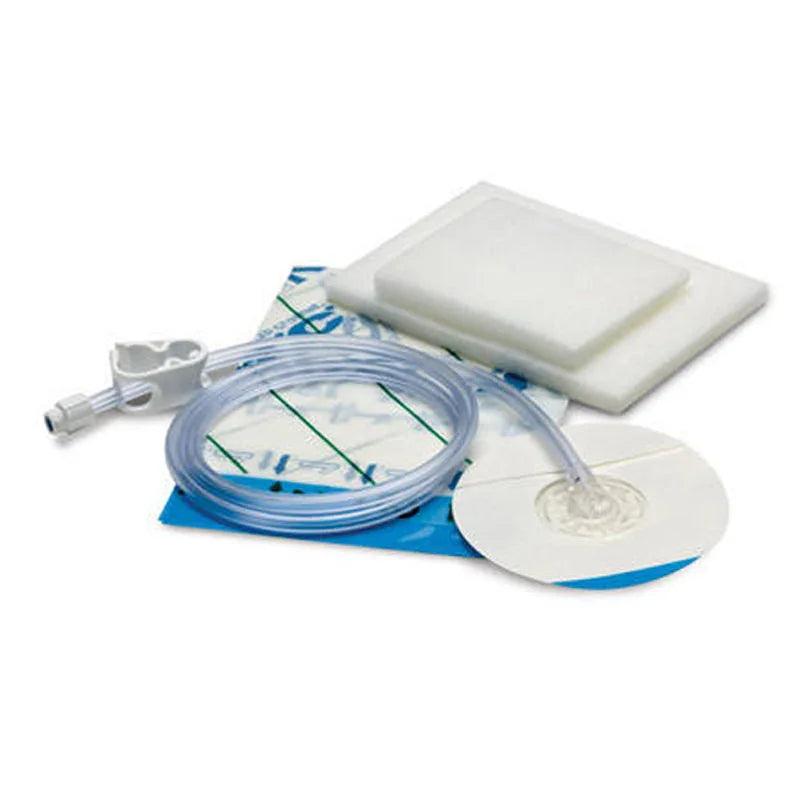
PVA White Foam Dressing Kit
A product specifically designed for sensitive wounds.
The hydrophilic nature of PVA (polyvinyl alcohol) prevents it from adhering to tissue, thereby minimizing trauma to fragile tissue during dressing changes;
it is the foam dressing with the highest level of biocompatibility.
Ideal for complex wounds and safer
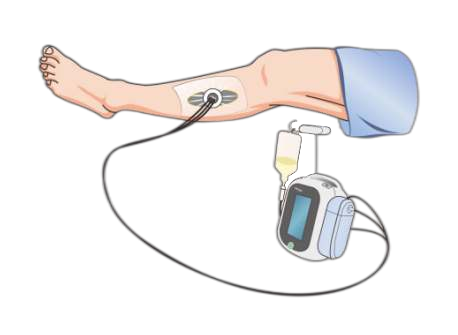
“Natural negative pressure” effect: PVA(polyvinyl alcohol)‘s unique capillary siphon action continuously draws away bacterial exudate and debris from the wound bed, similar to simple negative pressure drainage.
Applicable wound types: tunneling wounds, subcutaneous tissue separation, sinus tracts, and superficial wounds.
Related Products
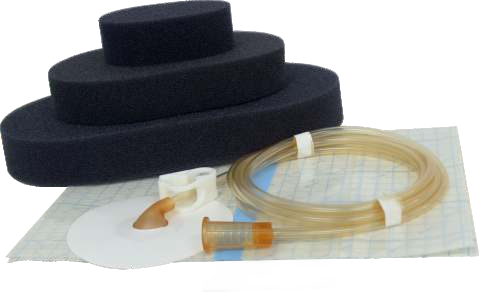
The most choices–easy to use, good drainage,strong granulation, reliable NPWT effects.
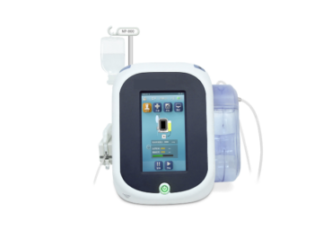
Six Model–Negative Pressure Suction and Wound Cleaning,Pressure calibration and hardware testing
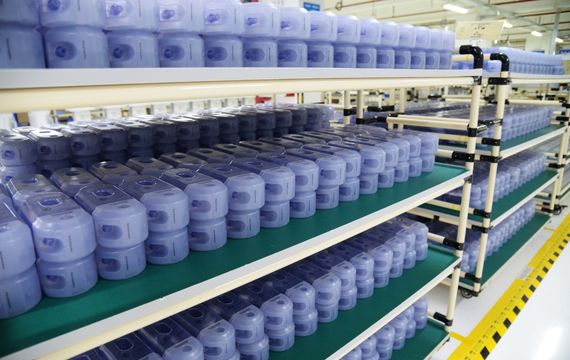
Storage volume 300ml,500ml&1000ml Disposable Negative Pressure Suction Canister
Excellent biocompatibility
PVA (polyvinyl alcohol) offers a soft, elastic feel similar to skin tissue, and its network structure absorbs exudate to maintain a moist healing environment, acting much like an external layer of “skin tissue.”
Furthermore, in negative pressure wound therapy (NPWT), PVA (polyvinyl alcohol) can serve as a medium to aid wound recovery by creating a moist healing environment, promoting granulation tissue formation, and accelerating the healing process.
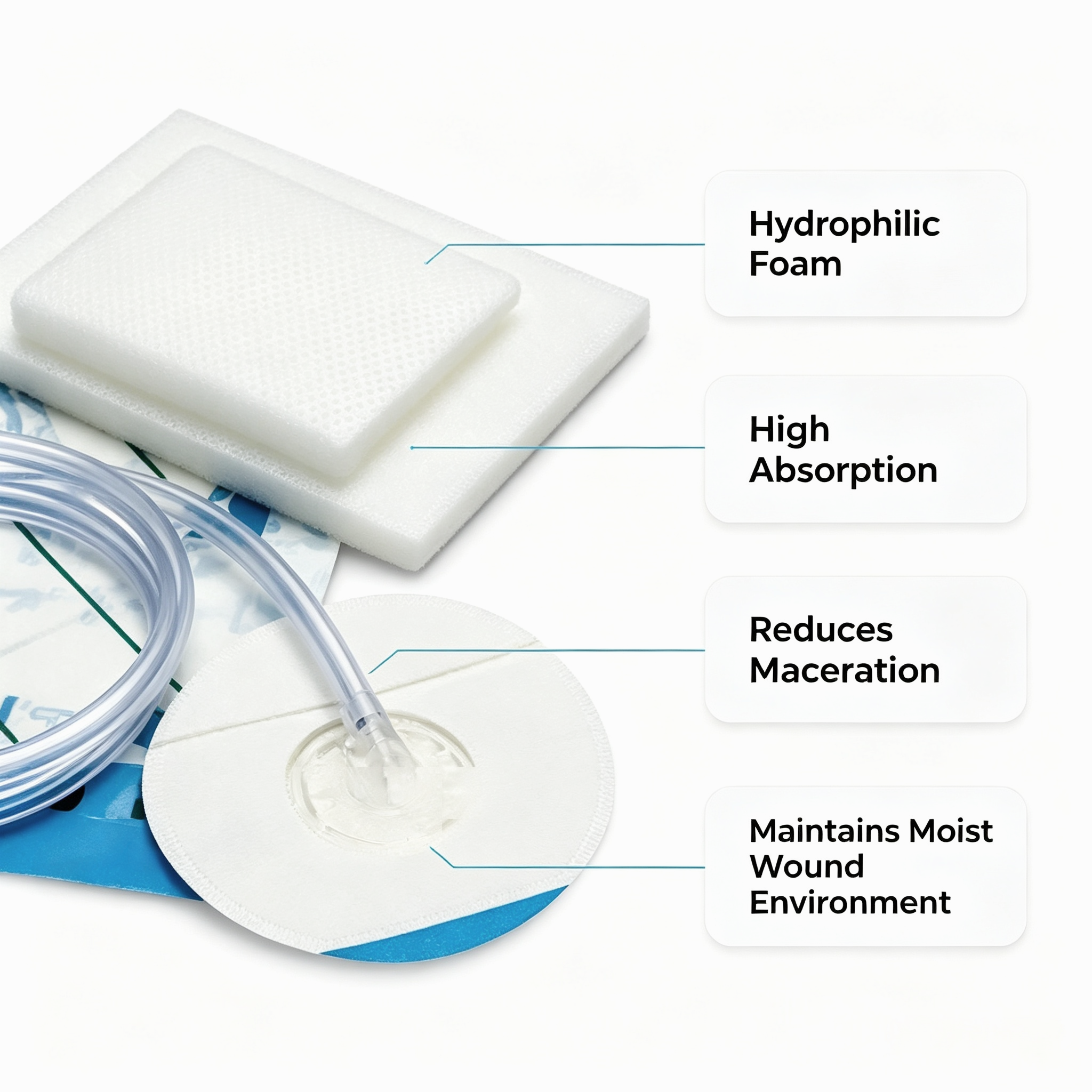
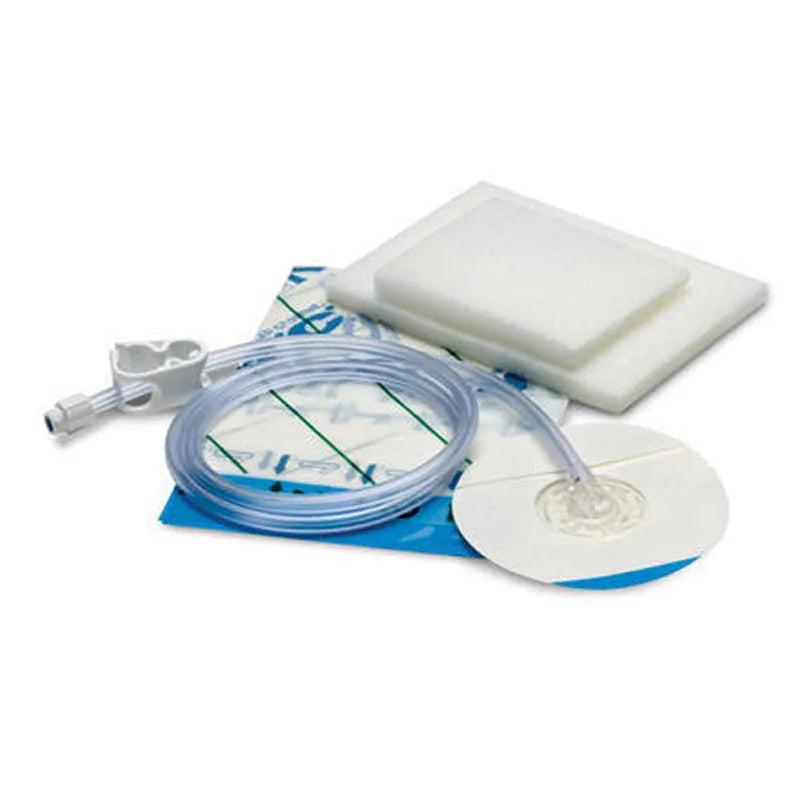
Protects fragile wounds and relieves pain.
The hydrophilic properties of PVA (polyvinyl alcohol)—specifically its ability to resist tissue adhesion and reduce the risk of bodily rejection—make it suitable for the care of sensitive wounds.
Such as pain-sensitive wounds, superficial wounds undergoing re-epithelialization, skin graft sites, and donor sites.
Commonly used in: operating rooms, dermatology, and plastic surgery.
Verified at Every Step – Safe and Stable Always
Safety: rigorous every step. Stability: verified every stage. We check foaming, sterile production, performance, and quality systems—four verifications, all solid. You get zero‑risk certainty.
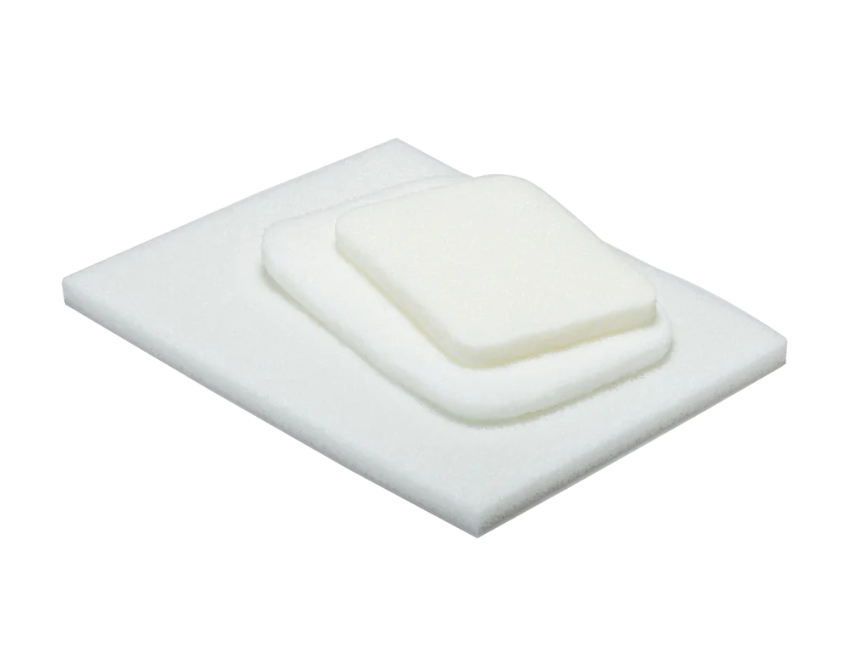
PVA white negative-pressure foam is primarily used to treat various complex and hard-to-heal wounds. Such as:
Chronic wounds (diabetic foot ulcers, pressure ulcers/bedsores, venous leg ulcers)
Acute wounds (traumatic injuries, surgical wounds with poor healing, skin tears)
Specialized surgical sites (recipient and donor sites for skin grafts)
Other complex wounds (first- and second-degree burns, sinus tracts, and undermining wounds)
For non-infected wounds, dressing changes are typically recommended every 48 to 72 hours; however, the specific frequency should be determined by a physician based on the amount of wound exudate and the presence of infection.
Allergy to ingredients: Contraindicated in individuals allergic to PVA (polyvinyl alcohol) or other polymer materials in the dressing.
Extensive burns: Exercise caution when using in patients with burns exceeding 20% of the total body surface area.
Incomplete debridement: A closed, negative-pressure environment may exacerbate the infection.
Special patient populations: For pregnant women, breastfeeding women, and newborns, strict medical assessment is required prior to use.