


How Often Should You Change a Wound VAC Canister?
For many negative pressure wound therapy (NPWT) systems, the canister is changed when it is full and, depending on the device, at least once a week. That is a useful starting point—not a universal schedule. The treating clinician’s order and the exact device instructions for use (IFU) always come first.
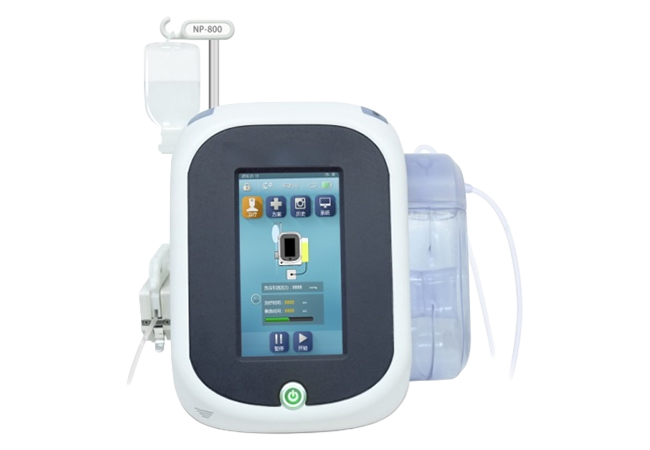
The short answer: change it when full, but do not rely on one calendar rule
“Wound VAC” is often used as a general name for NPWT. Yet systems from different manufacturers, and even different therapies within one product family, may have different instructions. Canister size, wound fluid volume, therapy mode, and the patient’s care plan all affect when a replacement is needed.
For example, 3M’s V.A.C. clinical guidance says its canister should be changed when full or at least once a week. Smith+Nephew’s RENASYS guidance also says to change the canister at least weekly and when its contents reach the maximum-volume indication. These are product-specific instructions, not a reason to set the same schedule for every NPWT device.
The safe working rule is simple: use the schedule in the current IFU and the treating clinician’s order, then replace the canister sooner whenever the system’s full-volume indication or alarm requires it.
What should trigger a canister change?
The correct trigger depends on the device, but the following situations should prompt the trained person responsible for the therapy to check the approved procedure:
The canister has reached its full or maximum-volume mark. Some systems show graduated volume marks. Do not assume the alarm is the only reminder; Smith+Nephew’s RENASYS guidance specifically says not to wait for an over-capacity alarm. For NP-800 and NP-100, follow their respective overflow-protector or full-canister warning procedure rather than assuming a graduated mark.
A canister-full alarm occurs. On some systems, a full-canister alarm interrupts therapy. For example, the 3M V.A.C.ULTA manual says the pump is off when this alarm occurs for certain therapies. A paused alarm is not the same as a resolved condition.
The device IFU calls for a planned routine change. Certain systems specify at least weekly replacement even if the canister has not visibly filled.
The treating clinician changes the plan. The clinical order may set a different approach because the patient, wound condition, or care setting requires it.
Do not empty, reuse, or substitute a canister unless the manufacturer’s IFU and the treating team explicitly allow it. Disposable NPWT components are designed and validated as part of a specific system, not as interchangeable containers.
NP-800 and NP-100: what their device instructions add
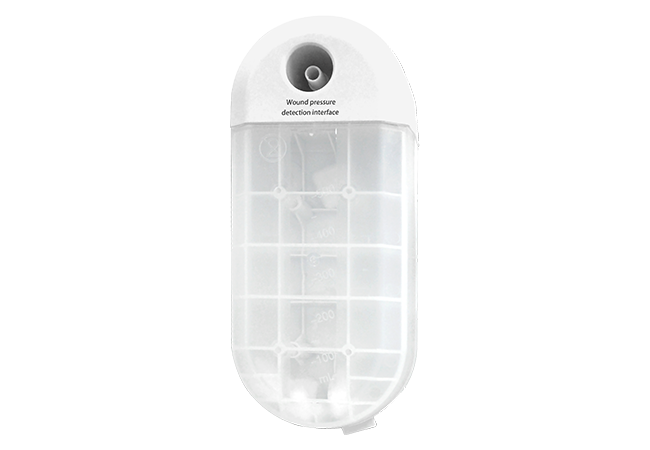
The NP-800 manufacturer manual provides a useful example of why model-specific instructions matter. It identifies its canister as a 500 mL, single-use consumable. If the overflow protector is activated, the manual states that the device gives an overpressure alarm and stops suction; the canister should then be replaced promptly under the approved procedure.
This does not create a calendar-based change interval for every NP-800 treatment. It does show that an overflow event is a clinical-device event, not an alarm to silence and defer. The same manual requires matching accessories and says the NP-800 is not intended for home healthcare or transport use. Procurement teams should therefore confirm the exact care setting, current IFU, and compatible canister before quoting or supplying this model.
The NP-100 user manual gives a different, more specific answer. It supports 300 mL or 500 mL canisters: the manual limits the 300 mL canister to field use and specifies 500 mL for other settings. It automatically detects a full canister. When full, the display shows “Full,” the device stops, and an audible warning sounds; the manual directs the trained user to replace it with a new canister under the approved procedure.
The NP-100 canister is also a single-use consumable. It should not be emptied for reuse, and disposal must follow the facility’s medical-waste rules. Its manual permits use in healthcare facilities and home healthcare, but only under a physician’s instruction and by medically trained staff. That does not mean a patient or untrained caregiver can set their own replacement schedule.
Both models require a new compatible canister when the device reaches its own replacement condition, but the triggers are different. For NP-800, the manual calls for prompt replacement after the overflow protector contacts liquid and suction stops. For NP-100, the device automatically detects a full canister, stops therapy, and prompts replacement. Confirm the exact model, care setting, and compatible accessory before quoting, supplying, or replacing a canister.
A canister change is not a dressing change
This distinction prevents a common operational mistake. The canister collects exudate; the dressing is the wound-contact system. They do not necessarily follow the same timetable.
In 3M’s ActiV.A.C. user manual, canisters are changed when full or at least weekly, while dressing changes are addressed separately. Your local protocol or clinical order may require different dressing intervals. A team should never postpone a required dressing change simply because the canister still has capacity, or replace a canister only because a dressing is scheduled to be changed.
When should you contact the treating clinician?
Escalate rather than guess if there is no clear device instruction or no trained person available to carry out the change. The clinical team should also be informed of a meaningful change in the amount or color of fluid, as Smith+Nephew advises for RENASYS users.
For a full alarm, leak warning, blockage warning, or therapy interruption, follow the specific device troubleshooting guide and the care plan. Do not change prescribed settings or improvise a connection to make an alarm disappear. If the system instructions indicate that therapy has stopped, the clinician should know how long it has been interrupted and what action has been taken.
What should buyers and supply teams check before ordering canisters?
Replacing canisters on time is partly a clinical process and partly a supply-continuity issue. Before purchasing, confirm these points:
1. Exact pump and therapy compatibility. Match the canister to the named device and therapy, not simply to the phrase “wound vac.” Confirm the pump model and the applicable IFU before reviewing any canister options.
2. Capacity and expected fluid volume. A larger canister may reduce change frequency in an appropriate setting, but it does not replace the IFU or clinical review.
3. The current IFU and local protocol. Ask for the latest instructions, especially when the device model, market, or accessory kit changes.
4. Availability of related consumables. Tubing, dressings, connectors, and disposal supplies need to be available together where required by the system.
5. Training and handover. The people expected to manage alarms and replace canisters should have product-appropriate training and a clear escalation contact.
This check is particularly important for distributors, hospital procurement teams and clinical service providers. An apparently similar canister may have different fittings, capacities or approved indications. Ordering by photo or generic description creates an avoidable compatibility risk.
FAQ
Do you wait until a wound VAC canister is completely full?
No. Follow the device IFU and clinical order. Some manufacturer guidance says to change the canister when it reaches its maximum-volume indication and not to wait for an over-capacity alarm. Some systems also require a routine weekly replacement.
How often should an NPWT canister be checked?
The care team’s protocol controls the check frequency. In practice, it should be reviewed as part of routine device and wound assessment so a rising fluid level, alarm, or change in appearance is noticed promptly. A weekly replacement rule does not mean the canister only needs attention once a week.
Can a wound VAC canister be changed before it is full?
Yes, if the device IFU, clinical order, or local protocol calls for a scheduled change. A canister may also need attention before it is full when the care team identifies a product-specific reason. Do not create a new schedule without confirming the instructions for that system.
Is changing the canister the same as changing the wound dressing?
No. They are separate parts of NPWT and may have different intervals. Follow the approved dressing-change plan independently of canister capacity.
What does a full-canister alarm mean?
It generally means the system needs the canister level checked and managed according to the device instructions. On some devices, therapy stops when the alarm occurs. Use the product troubleshooting guide and notify the treating team as required; do not just silence the alarm and leave it unresolved.
What if the fluid amount or color changes?
Contact the treating clinician. Changes in fluid should be assessed in the context of the patient and the therapy plan, rather than interpreted from a generic online article.
Can any NPWT canister fit any wound VAC pump?
No. Compatibility is system-specific. Confirm the exact pump, therapy, and approved canister part number before ordering or substituting a product.
The practical takeaway
Plan NPWT canister supply based on the exact device, the clinician’s order, and the expected fluid volume—not a generic day count. For a compatibility check or complete consumables list, contact the PROMED support team with the pump model, destination market, and required care setting.
Sources
– 3M V.A.C. Therapy Clinical Guidelines — Clinician’s Reference Source
– 3M V.A.C.ULTA Therapy System User Manual
– 3M ActiV.A.C. Therapy System User Manual
– Smith+Nephew RENASYS Clinical Guidelines
– Smith+Nephew RENASYS Patient Information
– Negative Pressure Wound Therapy Device NP-800 English CE User Manual
– NP100 User Manual
*Medical information notice: This page is an educational procurement and device-information overview. It does not replace the directions for use, clinical order, or advice of the treating healthcare professional.*