


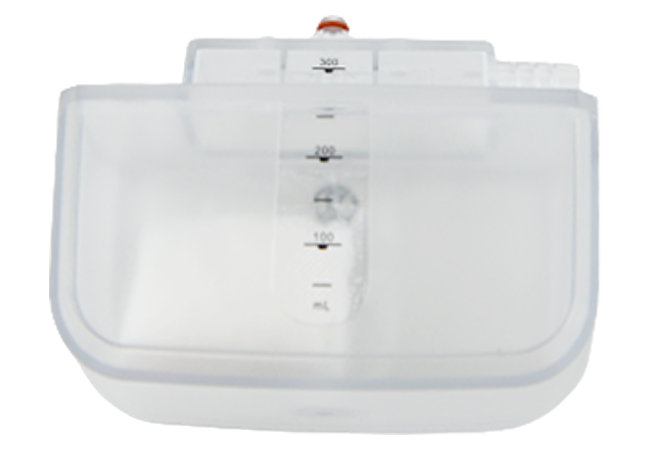
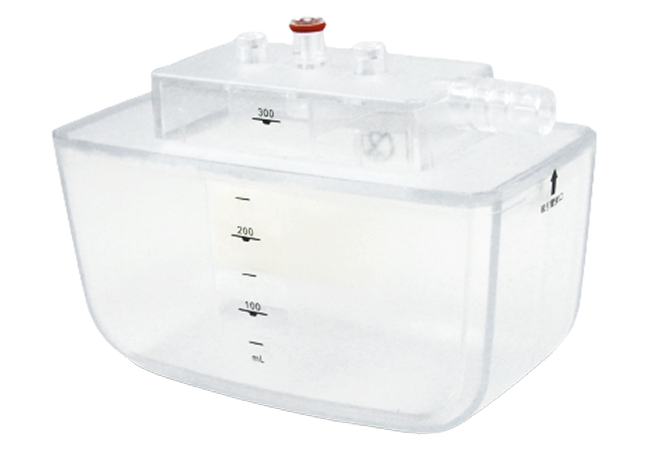
300 mL NPWT Canister
The bottle body is made of medical-grade polypropylene (PP), which has good structural stability and can be sterilized at high temperatures. It is one of the most widely used plastics in the medical industry.
Stable composition—the canister material is resistant to chemical reactions with the contained fluids (exudate, saline).
High mechanical strength—the high-hardness material ensures structural stability and durability during transport, making it resistant to breakage.
Cost control—lightweight design reduces shipping costs and facilitates easy replacement.
Looking for a 300 mL NPWT canister to match an existing purchase?
Start with your device and canister identification details.
Send PROMED your reference information for review before ordering.
Capacity alone does not confirm whether a replacement will fit your system.
Configuration to Confirm
For a 300 mL exudate collection canister enquiry, use the following checklist to connect your request to the exact item you need.
| Checkpoint | What you should provide | What needs confirmation |
|---|---|---|
| Device model | Device nameplate details and your existing canister reference | The documented device and canister combination |
| Connector configuration | Clear photographs of the existing connectors and product label | The exact connection configuration for the requested item |
| Packaging | Previous pack description and your requested quantity | Pack contents, ordering unit and label information |
| Market-specific documents | Destination country and your importer’s document checklist | Available documents for the identified item and market |
Keep your old purchase reference, label photographs and supplier description together in one enquiry. If any identifier is missing, mark it as unknown rather than selecting a visually similar part. For repeat purchasing, retain the written item confirmation alongside your order. This gives your team a reference to check when a description, label or quoted part number changes.
Related NPWT System Components
If your purchase also involves equipment or dressings, list those requirements separately from the canister request.
- Review negative pressure wound therapy systems for equipment enquiries, supplying the actual model you need assessed.
- Explore NPWT foam dressing kits when preparing a separate dressing requirement and component list.
- Visit the NPWT canister range for the broader category overview.
These links help you navigate related product categories. They do not establish that the products shown form a matched system or are included in one quotation.
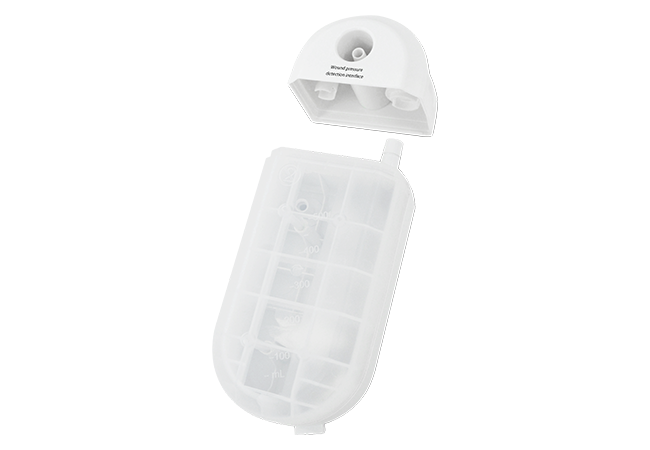
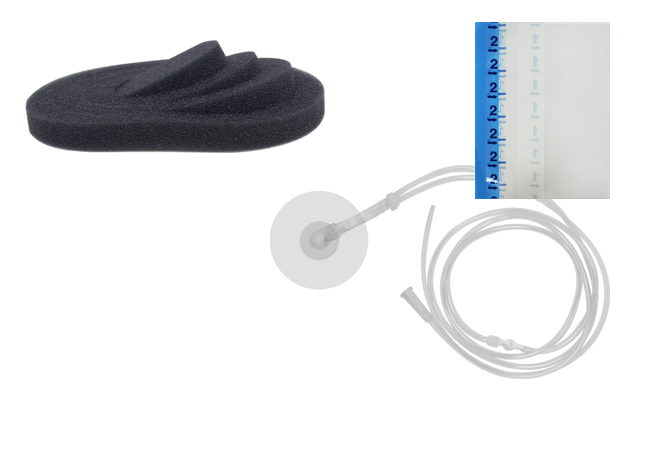
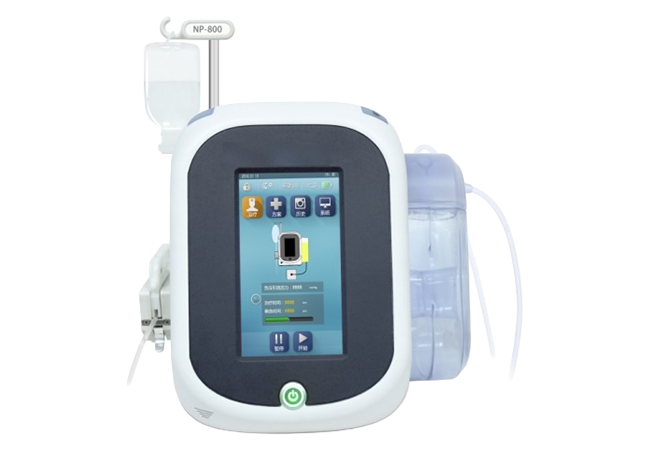
Consumable for NPWT, wound vac canister
- Wound pressure detection connector
- Suction tube connector
- Overflow protector
- Snap-fit joint
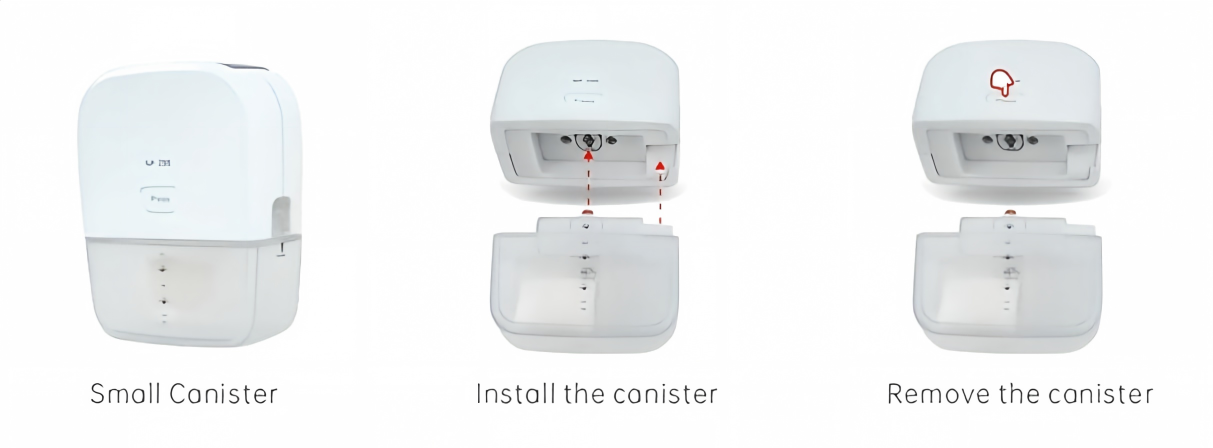
Canister overflow prevention: highly absorbent gel, capable of absorbing excess waste liquid in the canister
Anti-sloshing canister: The maze design inside prevents the waste from flowing into the main unit after the machine has been dropped
Send the device nameplate information, clear photographs of the item and any previous invoice or purchase reference you can locate. Explain which details are unavailable. These records are a starting point for identification, not proof of a match. Ask for the item identity and relevant configuration to be confirmed before placing your order.
Do not treat appearance as confirmation. Two items can look similar while their references or connection requirements differ. You should compare the documented item information, not just the photograph or capacity wording. Keep any unanswered question open until the relevant product documentation and written supply details have been checked.
Ask why the reference has changed and request a written explanation identifying the item being quoted. Keep the old and new references in your purchasing record. A revised description does not by itself establish an equivalent replacement; resolve the identity and configuration questions before approving the revised order.
Your previous record may describe a pack while the quotation describes an individual item, or the descriptions may refer to different contents. Ask the supplier to explain the difference. Compare the item reference, ordering unit and included components together; do not approve an order based only on a matching capacity description.
Keep the confirmed item reference, device identification, agreed contents and the final quotation together. Add the relevant label images and document versions used during review. On your next enquiry, ask whether these details still apply. A previous purchase should be a reference for checking, not an assumption that the next shipment is identical.
 Send PROMED your 300 mL wound vac canister requirement, device details, existing item label, connector photographs, quantity and destination. Ask for identification and configuration review before ordering. Submitting your enquiry does not confirm compatibility.