


Open Abdominal Foam Dressing Kit
- Specially sized extra-large abdominal foam dressing
- Multi-layer protective design reduces treatment risks
- Porous structure ensures efficient exudate absorption
- Provides continuous, uniform negative pressure distribution
Temporary Abdominal Closure System
Open abdomen negative pressure wound therapy(NPWT) system, layered abdominal foam dressing with visceral protective layer.
Reticulated PU foam distributes uniform negative pressure, facilitates fascial traction, evacuates intra-abdominal exudate, and protects intestinal viscera.
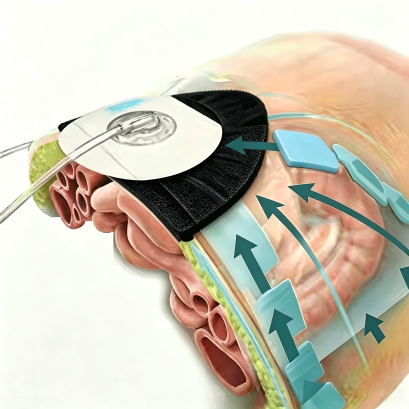
- Open-system organ protection
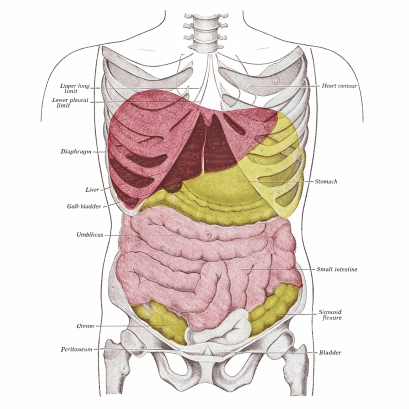
When an open abdominal wound cannot be closed, the internal organs remain completely exposed, increasing the risk of infection and potentially compromising wound healing and subsequent abdominal closure procedures.
Abdominal foam dressings provide a relatively sterile environment for the abdomen, creating favorable conditions for subsequent abdominal closure.
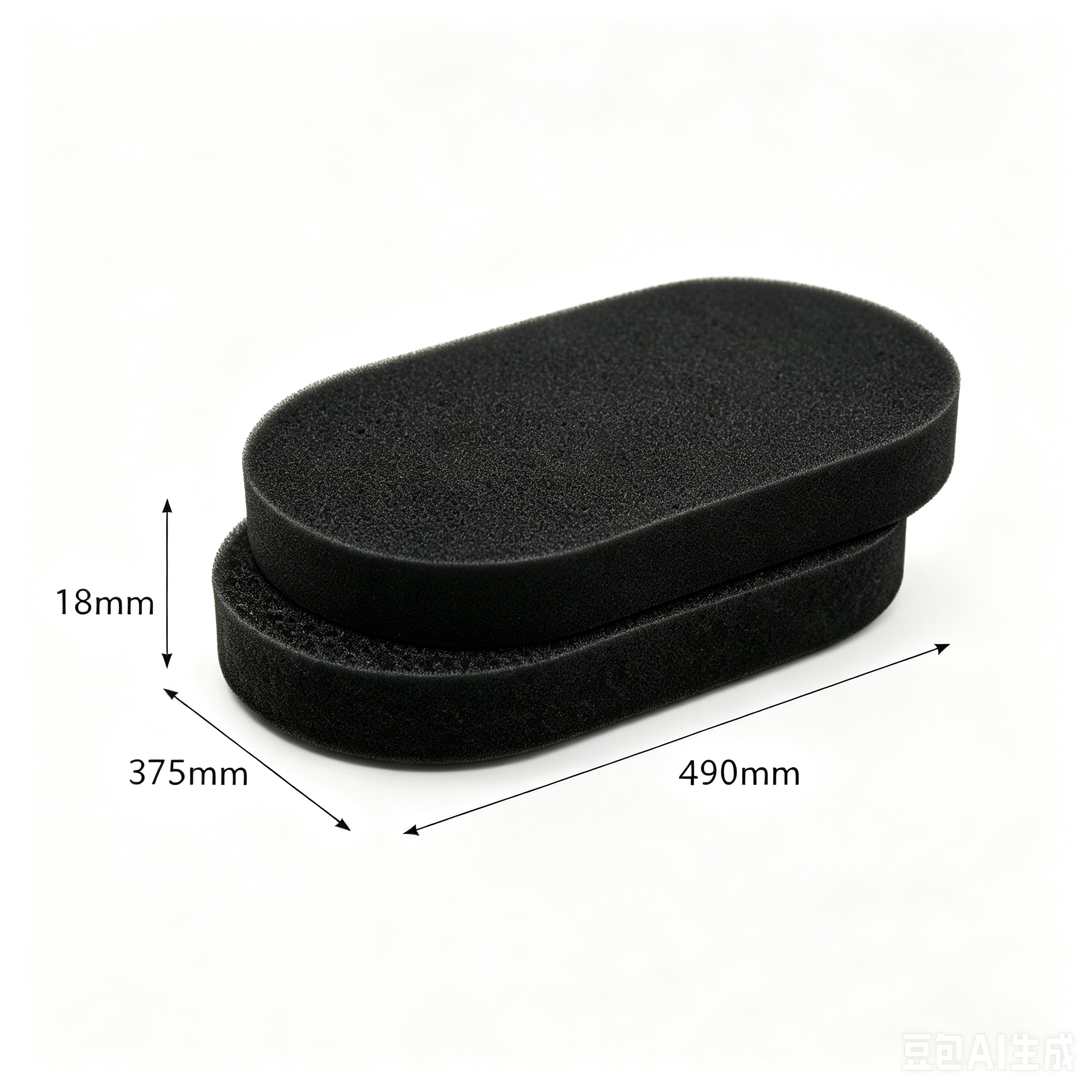
Extra-large foam surface area
PROMED’s unique extra-large foam dressing (490 x 375 x 18 mm) can cover a large area of open abdominal wounds and can be customized according to the specific wound, making it of great clinical value.
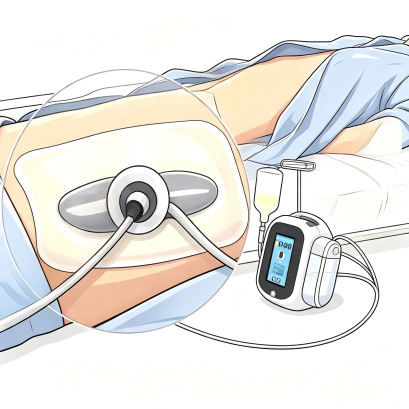
Suitable for the treatment of various abdominal wounds
- Open abdominal wound treatment
- Control of intra-abdominal infections
- Post-traumatic abdominal wounds
- Complex post-operative wounds
- Management of hard-to-heal abdominal wounds
Related Products
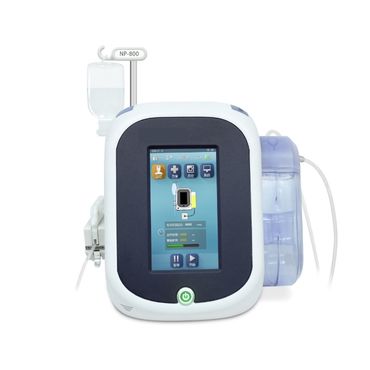
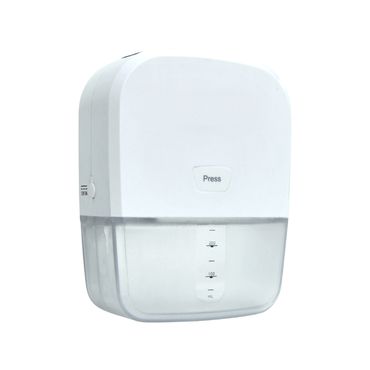
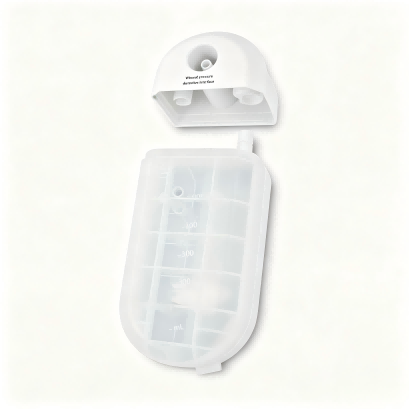
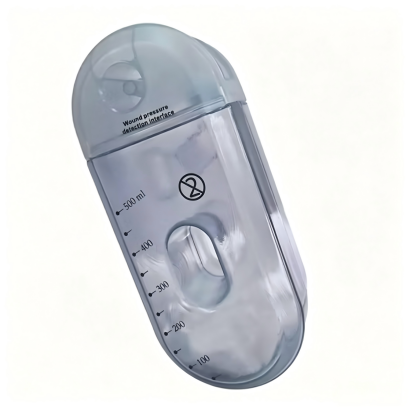
The PROMED Negative Pressure Wound Therapy System comprises a negative pressure wound therapy unit, a disposable negative pressure drainage dressing kit, and a negative pressure collection canister. It is recommended that these three components be used together.
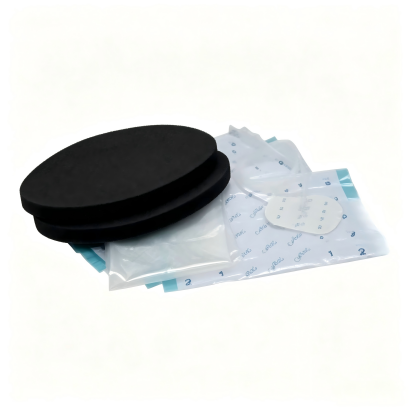
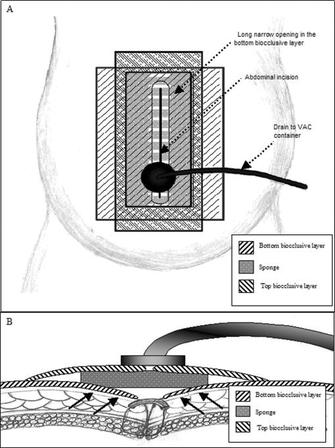
The complete open abdominal negative pressure wound therapy (NPWT) foam dressing kit includes: visceral protection layer, mesh porous black polyurethane (PU) foam, self-adhesive film, negative pressure closure interface, and drainage tube.
Extra-large foam pads are specially designed for open abdominal wounds to meet the needs of different abdominal wounds. It can be custom-cut to accommodate diverse clinical wound needs.
- Open abdomen after damage-control surgery
- Abdominal compartment syndrome decompression
- Severe abdominal infection with repeated lavage needs
- High-volume abdominal fluid drainage
- Patients needing delayed primary fascial closure