


Why is PVA white foam dressing—a medical-grade wound care product—sometimes compared to consumer-grade medical adhesive bandages?
While PVA foam, standard adhesive bandages, and ordinary medical dressings are all applied to wounds to aid healing, why does the PVA white foam dressing cost hundreds of times more than standard medical dressings?
Today, we will analyze the differences between PVA negative-pressure white foam dressings and standard medical adhesive dressings by examining their materials, manufacturing processes, indications, and product positioning.
Main Components/Materials
First, consider the white PVA negative-pressure foam; its primary material is medical-grade PVA (polyvinyl alcohol)—a synthetic polymer typically derived from petroleum through processes such as cracking, synthesis, and modification, resulting in high production costs.
In contrast, standard medical dressings are generally composed of combinations of materials such as non-woven fabrics, PE films, PU films, hydrocolloids, and absorbent pads. These are much lower in cost and belong to a completely different class compared to medical-grade PVA foam.
Production Process and Costs
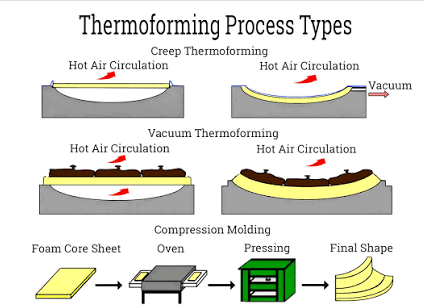 For PVA negative-pressure white foam, every step—including precision foaming and cross-linking, control of pore-size uniformity, sterile production environments, sterilization (EO), individual sterile packaging, biocompatibility and performance validation, as well as medical device registration and quality system compliance—directly impacts the final application and sales price. The process is characterized by high manufacturing complexity, significant validation costs (medical registration/clinical trials), and yield volatility (inherent to structural materials).
In contrast, the production of standard medical dressings involves simply laminating standard materials, machine-applying adhesive, and die-cutting into shape before packaging the finished product. This entails a simple structure, high tolerance for error, and the ability to achieve high-speed mass production to spread out costs.
Scope of Use/Standards
PVA white negative-pressure foam is a specialized medical device used for the active treatment of complex, hard-to-heal wounds and must be used in conjunction with negative-pressure equipment. In contrast, standard medical dressings are simple coverings used for the passive protection of minor, superficial wounds. There is a fundamental difference in the treatment philosophy between the two.
PVA white negative-pressure foam
Scope of Use: Complex, hard-to-heal open wounds, including chronic wounds (e.g., diabetic, pressure, or venous ulcers), acute/traumatic wounds, surgical/dehisced wounds, skin grafts/flaps, and partial-thickness burns. It is particularly suitable for complex wounds featuring sinus tracts or undermining.
Indications: Used as part of Negative Pressure Wound Therapy (NPWT). Indicated for wounds requiring active drainage of large volumes of exudate and infectious material, reduction of edema, and active promotion of granulation tissue growth and wound healing.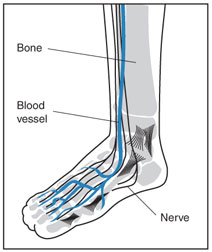
Usage Requirements:
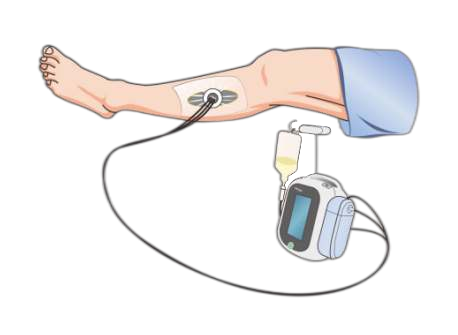
- Specialized Equipment and Environment: Must be used with an NPWT system (including vacuum pump, drainage tubing, and sealing film). Application must be performed by qualified healthcare professionals in a hospital or professional care facility.
- Complex Procedure: Requires trimming to fit the wound, correct placement, and the establishment of a sealed, negative-pressure environment.
- Change Frequency: Typically every 48–72 hours; more frequent changes are required for infected wounds.
Standard Medical Dressings
Scope of Use: Small, clean, superficial wounds, such as minor cuts, abrasions, and small incisions. Primarily used for superficial injuries involving the upper dermis or epidermis.
Indications: Provides a physical barrier to protect the wound from contamination and friction. Absorbs small amounts of exudate and creates a healing environment for superficial wounds.
Usage Requirements:
- Ease of Use: Can be applied immediately after opening the package; generally requires no additional equipment or professional guidance.
- Specific Indications: Limited to small, clean, and dry wounds.
- Change Frequency: Changed daily or as needed, depending on the level of exudate.
 Market Positioning
While PVA negative-pressure white foam dressings and standard medical adhesive dressings may look similar—both appearing as white or light-colored sheet dressings that are difficult for the layperson to distinguish by material alone—they diverged significantly at the very stage of their initial development.
- Usage Philosophy:
PVA negative-pressure white foam dressings are designed to actively facilitate wound debridement and healing when used in conjunction with negative-pressure wound therapy (NPWT) devices.
Standard medical adhesive dressings, conversely, are portable products commonly kept in home first-aid kits; they are primarily used for post-injury wound protection—a form of passive care.
- Production and Sales Costs:
The raw materials and manufacturing processes for PVA negative-pressure white foam dressings are highly demanding. Consider the raw material—petroleum—a non-renewable energy source priced according to international markets and exchange rates. Furthermore, the precision foaming and cross-linking processes during manufacturing, the biocompatibility verification and performance/safety testing during quality control, and the pre-market R&D and compliance costs all play a role; ultimately, every step in this chain impacts the patient’s wound recovery process.
In contrast, standard medical adhesive dressings are consumer-grade products; highly automated, streamlined production processes allow for cost reduction through mass production.
- Market and Supply Chain Factors:
Market Supply and Demand: There are a limited number of global manufacturers capable of producing high-quality medical-grade PVA foam, yet demand continues to rise—a dynamic that supports its price point. Additionally, as a “high-value disposable consumable,” the product’s pricing incorporates a reasonable profit margin for the manufacturer, enabling continued investment in R&D and service provision.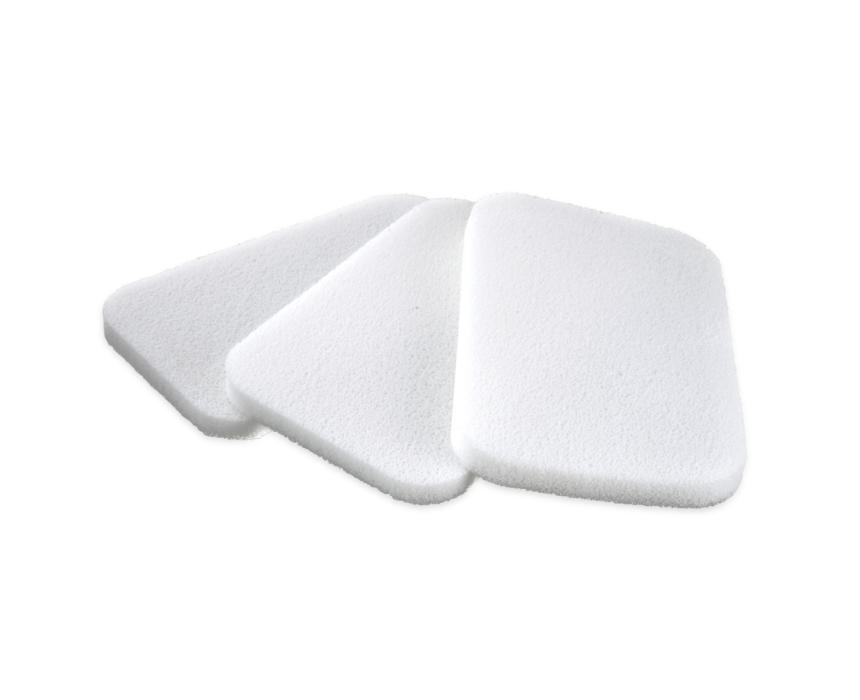
The cost of PVA negative-pressure foam dressings stems from a series of substantial, “invisible” investments; to ensure safe and effective performance within the human body, every stage—from raw materials and manufacturing processes to quality control and market launch—adheres to rigorous standards that far exceed those of ordinary industrial products. This makes it a highly specialized medical product, with a price that naturally reflects the value of the underlying technology, safety, and regulatory compliance.
As a primary manufacturer of disposable negative-pressure wound drainage materials, PROMED offers drainage dressing kits in a wide range of sizes and specifications. We look forward to hearing from you; please contact us at info@llkmedical.com.