


Wound Care Supplier for Equipment and Supplies
Explore PROMED’s equipment and consumable ranges to build your product shortlist before requesting a quotation.
- NPWT machines and system-specific consumables
- CareMaster ultrasonic wound debridement systems
- AirPro compression systems as a separate equipment category
Equipment and Consumables for Your Purchasing List
PROMED is a wound care supplier offering NPWT equipment, NPWT dressing kits, collection canisters, and CareMaster ultrasonic debridement systems, with AirPro compression systems listed separately as related equipment. Use this page to identify the product family you need, then open its category page for a closer comparison. You can start with a device model, a consumable reference, or a list of required functions. Keep equipment, accessories, and replacement supplies on separate quotation lines so you can see what each price includes. Current configurations, product documentation, and model-specific compatibility should be confirmed for your selected items and destination before you place an order.
Explore Five Product Categories
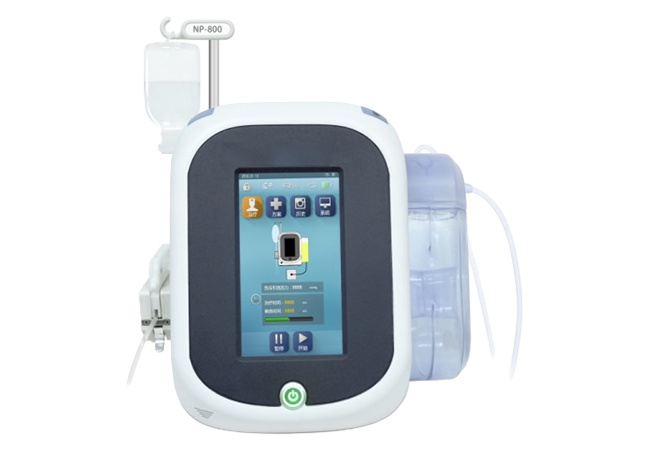
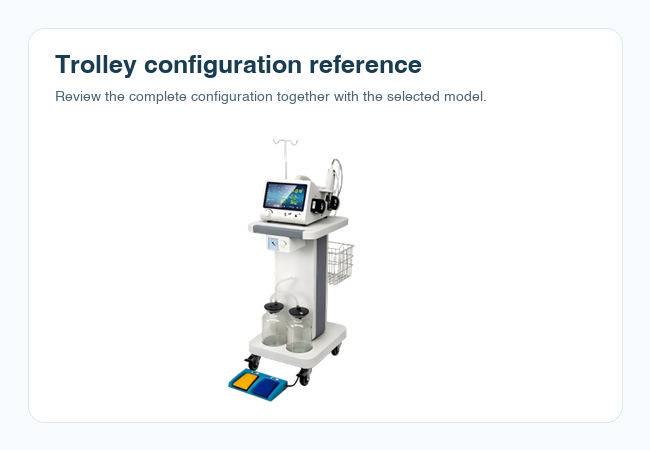
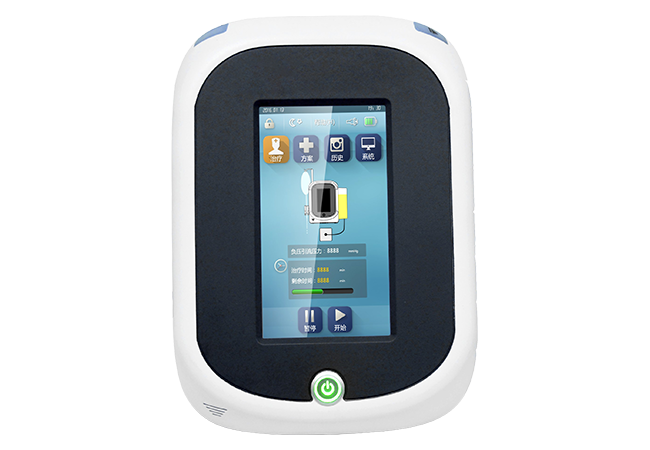
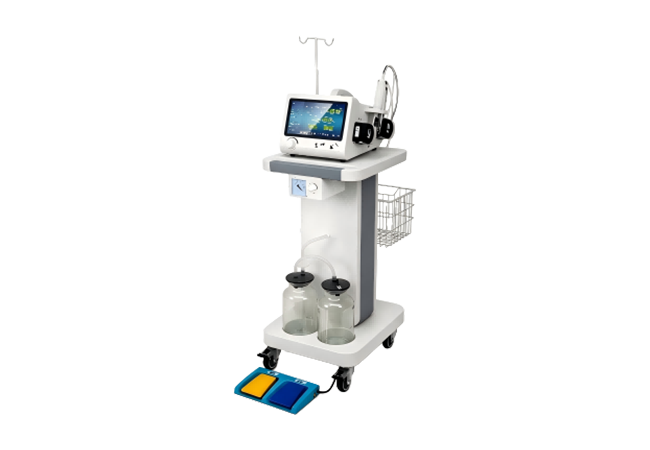
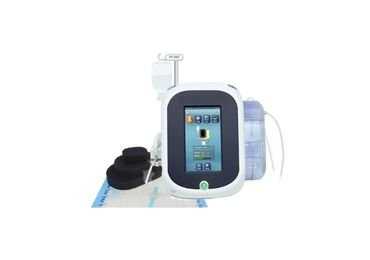
Explore NP-100, NP-600, and NP-800 to shortlist equipment, then compare the current configuration and consumables specified for your selected model.
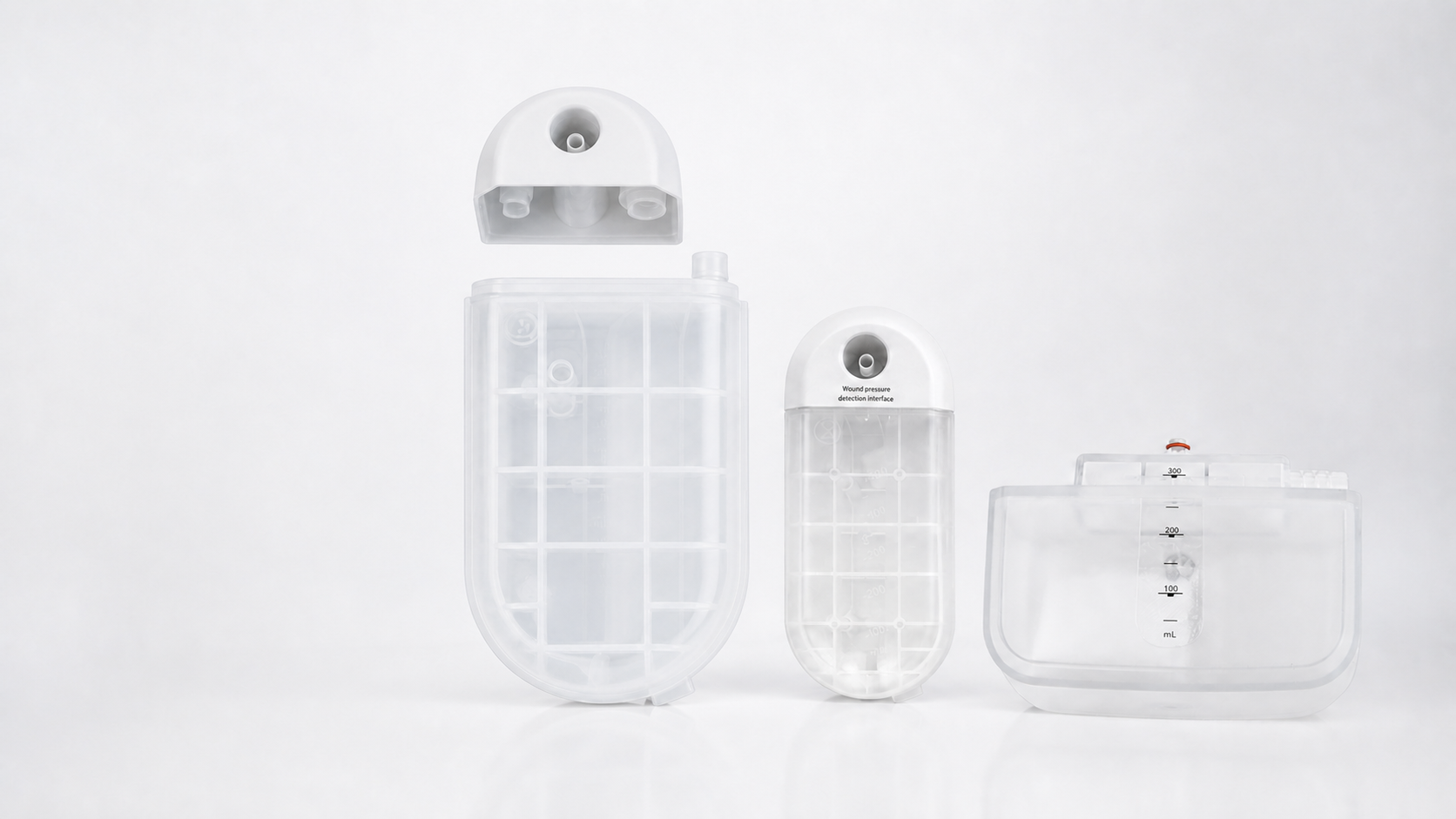
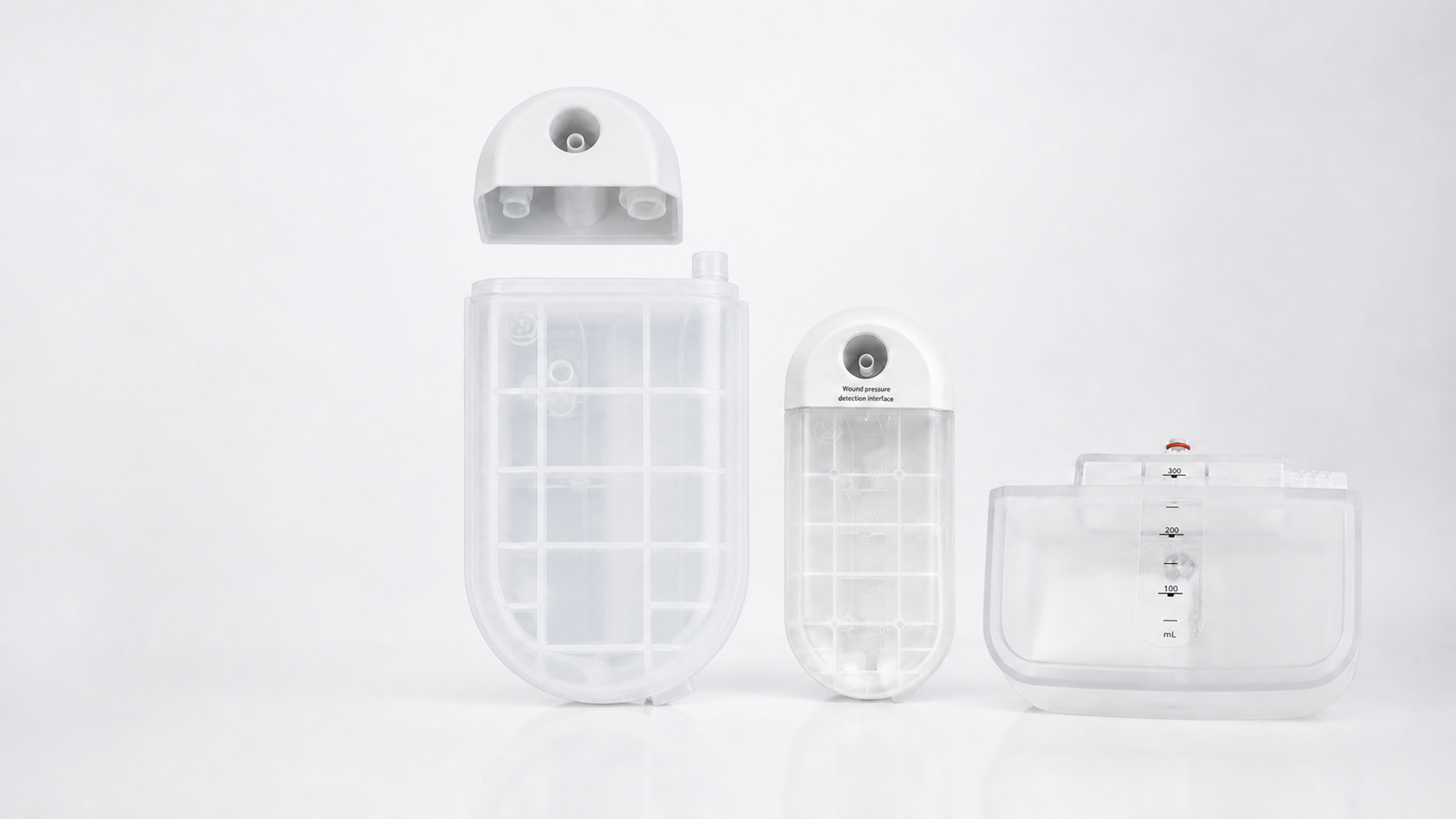
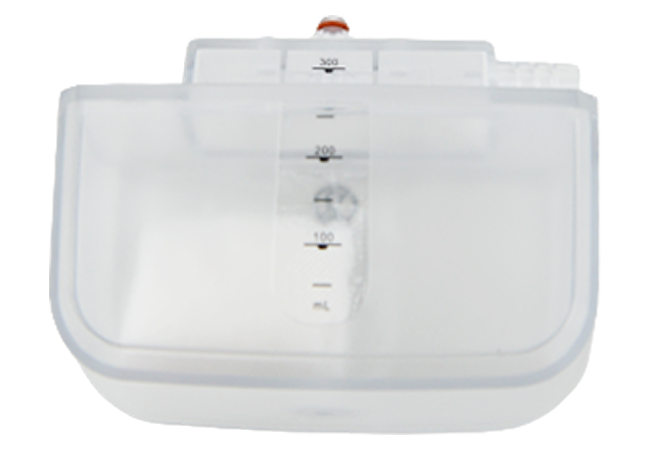
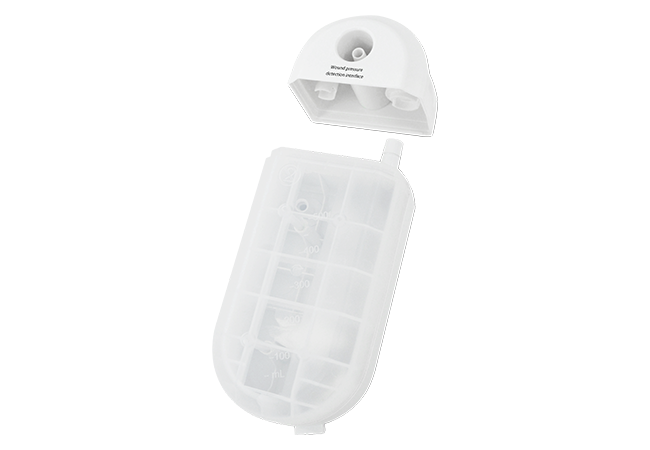
Compare 300, 500, and 1000 mL capacity options, then verify the part reference and equipment connection before choosing your replacement supply.
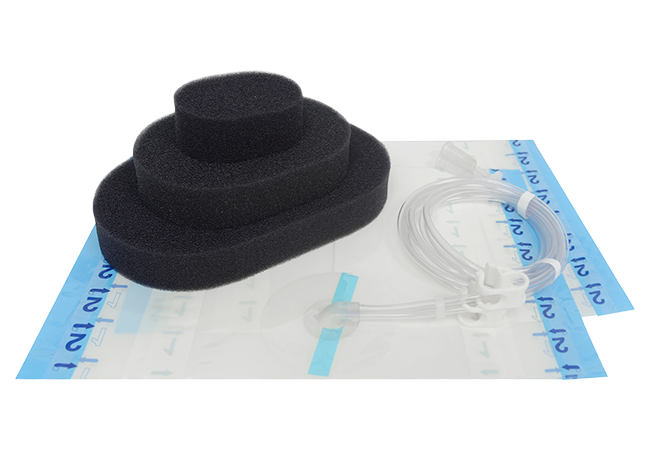
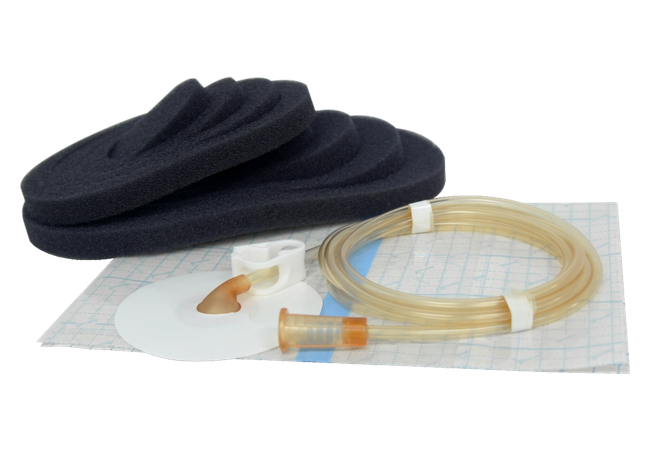
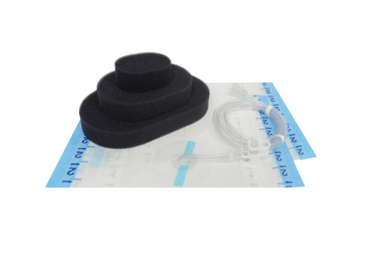
Review kit references, foam specifications, and tubing requirements for your existing or proposed system before you select quantities for your enquiry.
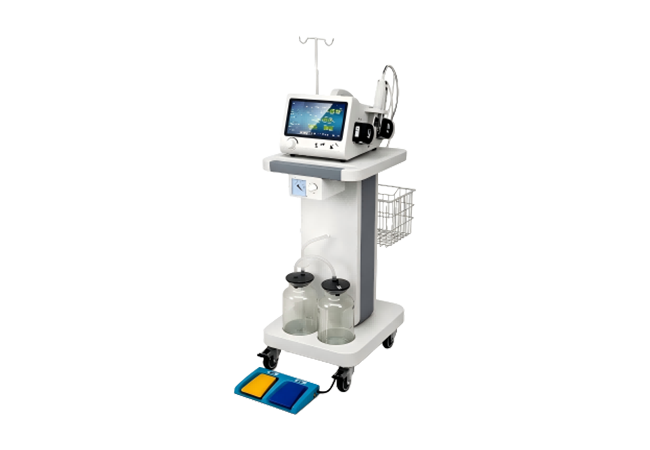
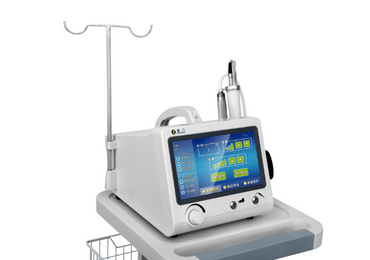
Compare E, G, and H by required functions, keeping ultrasonic debridement, flushing, and waste-fluid suction distinct when preparing your equipment specification.
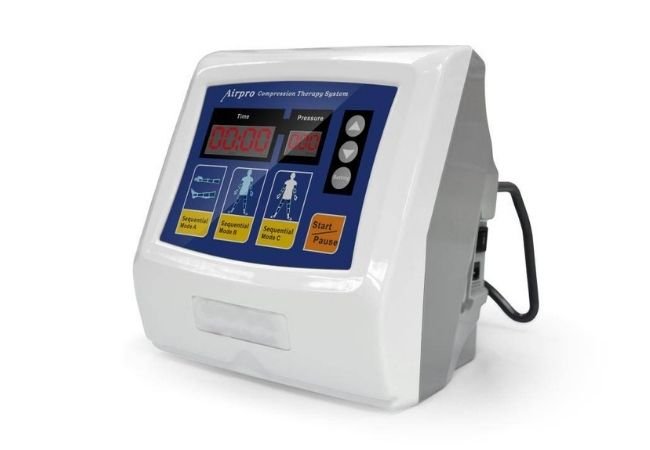
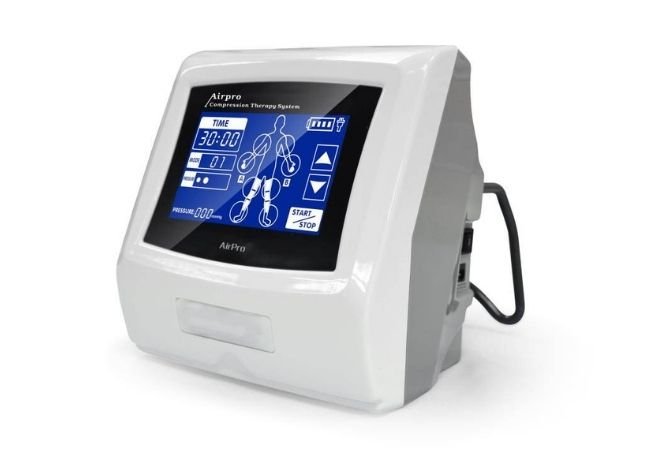
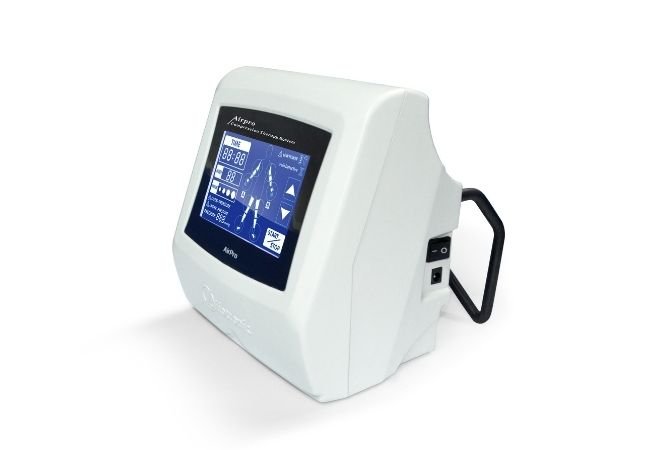
Related equipment: review the AirPro series separately, identifying your controller and sleeve requirements without treating it as an NPWT system component.
Product Features to Compare Before You Choose
Check the selected model’s controls, display layout, and documented functions against your equipment specification.
Compare kit contents, tubing references, and connectors with the documentation for your exact NPWT model.
Review the mounting shape and connection as well as capacity when identifying a replacement canister.
For this related equipment category, confirm the controller, sleeve references, sizes, and connecting tubing separately.
Wound Care Product Selection at a Glance
Use this table to choose the category to investigate. Listed series and capacities are starting points for an enquiry, not a compatibility matrix or a fixed package.
| Product Category | Series or Product Range | Selection Focus | Next Detail to Review |
|---|---|---|---|
| NPWT machines | NP-100, NP-600, NP-800 | Select a specific device model before comparing its configuration. | Current model specification, included accessories, and associated consumables. |
| NPWT dressing kits | Model-specific kit references | Identify the required kit rather than selecting by foam appearance alone. | Foam specification, dimensions, tubing reference, and package contents. |
| Wound vac canisters | 300, 500, 1000 mL capacity options | Check the exact part and connection; volume alone does not establish compatibility. | Canister part reference and the intended equipment model. |
| Ultrasonic debridement systems | CareMaster-E, CareMaster-G, CareMaster-H | H: ultrasound; G: ultrasound and flushing; E: adds waste-fluid suction. | Required functions and the components included in the quotation. |
| Related compression equipment | AirPro-300 / AirPro-600 series references | Specify the controller and sleeve requirements as a separate procurement category. | Documentation and component references for the selected AirPro model. |
CareMaster waste-fluid suction is for collecting fluid during debridement and flushing; it is not an NPWT function. Each product’s intended use and operating requirements remain subject to its own documentation.
Details to Include When Requesting a Quotation
Send the information you already have. Identify missing items explicitly rather than selecting an assumed configuration.
| Quotation Item | Information You Provide | What to Confirm in the Offer |
|---|---|---|
| Equipment | Product category, preferred model, required functions, and quantity. | Exact configuration and separately priced optional components. |
| Consumable replenishment | Device label, existing part code, package label, and quantity per reference. | Matching consumable reference and units per pack. |
| Accessories | Required holders, connecting parts, tubing, or sleeves, where relevant. | Which items are included and which require separate ordering. |
| Destination documents | Destination country, intended procurement context, required documents, and languages. | Files available for the exact product and their applicable scope. |
| Packing and delivery | Delivery address, required date, packing requirements, and proposed shipment terms. | Agreed packaging, freight basis, availability, and estimated lead time. |
Build a More Specific Wound Care Enquiry
Shortlist the Device Before Comparing Package Prices
Start your wound care equipment enquiry with the model or function you need. NP-100, NP-600, and NP-800 belong in an NPWT shortlist; CareMaster E, G, and H belong in a debridement equipment comparison. Keeping those selections separate makes it easier to review the correct specification and accessories. You can then compare quoted packages without confusing a device price with the cost of a complete order.
Make Consumable Reorders Easier to Identify
For wound care supplies used with existing equipment, send the device label and the current consumable code before selecting a replacement. Add clear photographs of the package and connection if the reference is incomplete. A canister’s capacity or a dressing’s colour cannot establish a match. Identifying the exact item first gives you a clearer basis for discussing pack quantities and recurring procurement.
Compare CareMaster by the Functions You Require
When your wound care equipment list includes ultrasonic debridement, compare CareMaster by function. H provides ultrasonic debridement, G adds flushing, and E adds waste-fluid suction for the debridement and flushing process. This suction function is not negative pressure wound therapy. List your required functions alongside the accessories you expect, so the quotation can distinguish the selected system from additional components.
Keep Compression Equipment on Its Own Specification
Treat AirPro air compression therapy systems as related equipment with a separate procurement specification. Identify the controller model and the sleeve requirements, then confirm the relevant connections and documentation for that configuration. Do not assume a component listed for one AirPro model applies to another. Keeping these requirements separate from your wound care equipment and NPWT consumables makes the final order easier to check.
Plan Around Your Procurement Scenario
Organise your wound care portfolio by equipment, consumables, and related compression products. Select the device families you want to discuss and list replenishment items beneath their intended systems. You can then compare an initial equipment order with expected repeat-purchase requirements, while checking market documentation and commercial terms for each product instead of assuming one approval covers the whole range.
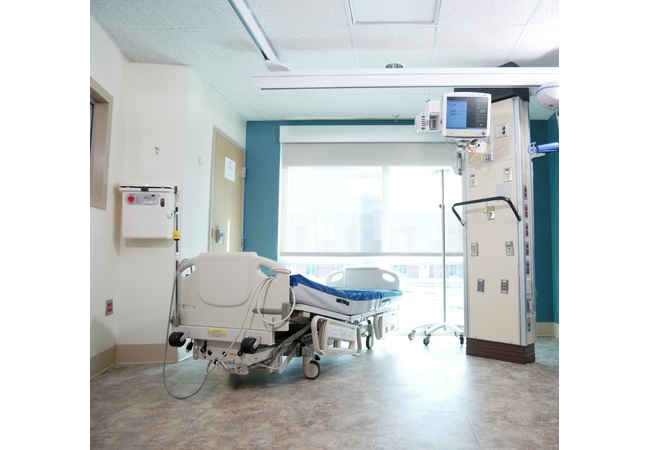
When different departments request wound care products, separate their specifications before combining the purchasing list. Keep NPWT devices, CareMaster debridement systems, and any AirPro requirement on distinct lines. Assign the required accessories and quantities to each line so your purchasing team can compare proposals against the same brief, without treating all devices as a mandatory treatment sequence.
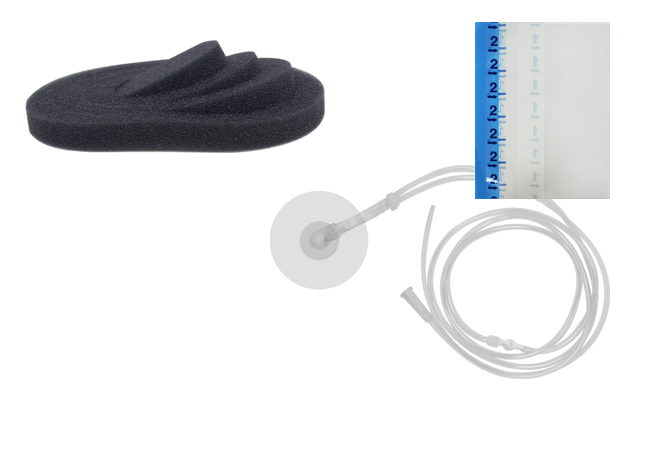
Group your wound care consumable request by installed device model and existing part reference. Record dressing kits and collection canisters separately, including the pack quantity currently ordered. This makes it easier to identify which references need confirmation before purchase. Avoid replacing a discontinued or unidentified item solely because another product looks similar or carries the same nominal capacity.
Our Products
Wound Care Supplier FAQ
Do not assume a combined enquiry creates one minimum order quantity across equipment and consumables. State the quantity for every model and part reference, then request the applicable MOQ and packing multiple for each line. Any mixed-order arrangement should be confirmed in the quotation before you plan your opening order.
Include your proposed sample quantity and evaluation purpose in the enquiry. Ask whether a sample or demonstration arrangement is available for that exact product, along with its cost, shipping terms, and any return conditions. A sample enquiry does not establish availability, and sample acceptance should not replace verification of the final supply configuration.
Send the tender’s document list, destination, deadline, and exact product references. Ask for the current files relevant to those references, then check names, models, validity, and scope against the tender requirements. A document covering one device or manufacturer should not be treated as evidence covering every product in your wound care order.
State any minimum remaining shelf life required on delivery and ask for it to be addressed against the selected consumable reference. Check the current label, packaging information, storage conditions, and quoted batch arrangements. Do not infer an expiry period, sterile status, or single-use designation from a general product-family description or photograph.
Request written terms for the exact equipment model, including the warranty scope, exclusions, fault-reporting process, and responsibility for shipping or repair costs. Identify any spare parts you expect to purchase separately. Do not assume equipment, accessories, and consumables share the same warranty or that parts support is identical across product families.
Describe the requested branding, label language, quantity, and destination in your enquiry. Feasibility, required approvals, cost, and timing need separate confirmation for each product. Do not assume private labelling is available across the range, or that changing the packaging name changes the legal manufacturer or the product’s regulatory documentation requirements.